DTC SMS Strategy: Retention Campaigns and Triggers
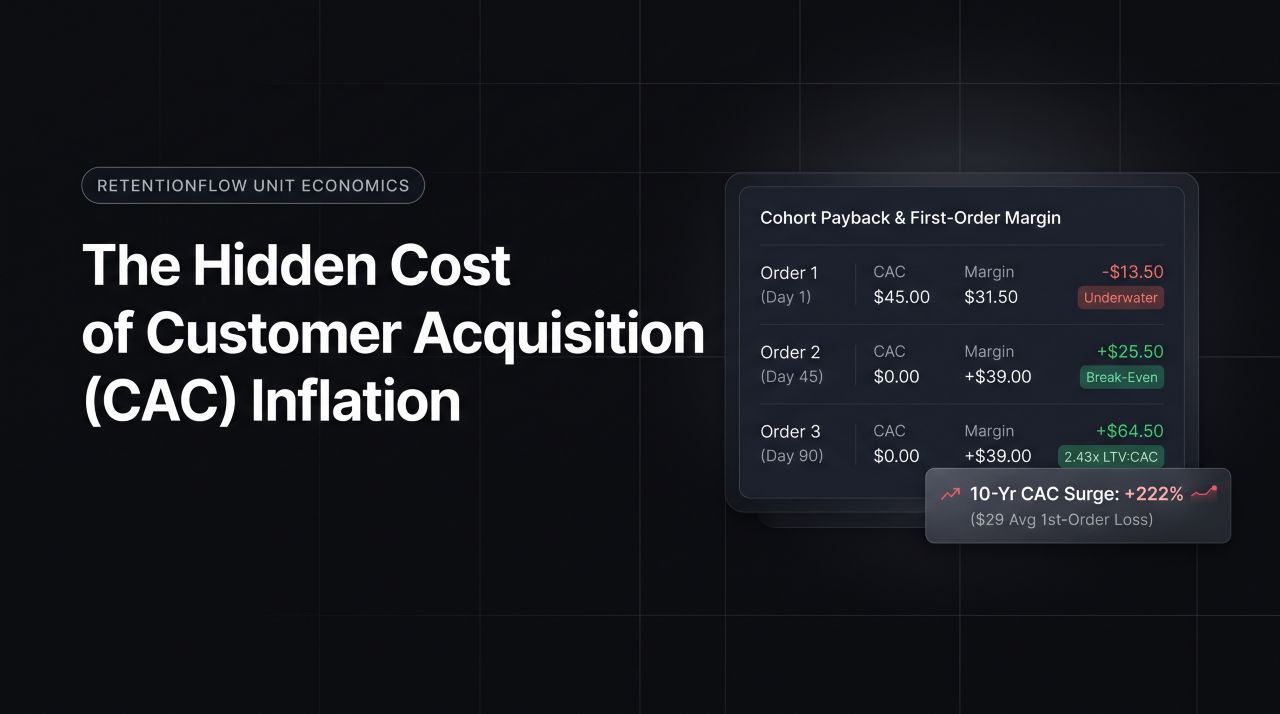
Customer acquisition is becoming more expensive for DTC brands.
Paid ads still help brands grow, but relying only on paid channels creates pressure on margins.
Strong DTC brands build direct relationships with customers through owned channels.
SMS is one of the most effective retention channels because it creates fast and direct communication with customers.
A good SMS strategy does more than send promotions.
It helps brands increase repeat purchases, improve customer experience, and grow long-term customer value.
What Is an SMS Strategy for DTC Brands?
An SMS strategy is a planned approach to using text messages to communicate with customers throughout their buying journey.
It includes:
- Promotional campaigns
- Automated messages
- Customer updates
- Product recommendations
- Retention flows
For DTC brands, SMS works as a direct connection between the brand and the customer.
A strong SMS strategy focuses on sending the right message to the right customer at the right time.
For example:
A skincare brand should not send the same message to a new customer and a loyal customer.
A new customer may need product education.
A loyal customer may respond better to early access or rewards.
Why SMS Matters for DTC Leaders
SMS gives brands a direct way to reach customers without depending completely on advertising platforms.
DTC leaders use SMS because it helps them:
- Increase repeat purchases
- Improve customer retention
- Recover lost sales
- Build customer relationships
- Increase customer lifetime value
Paid ads help bring customers in.
SMS helps bring customers back.
This makes SMS especially valuable for brands with repeat purchase products.
Examples include:
- Beauty products
- Supplements
- Food and beverages
- Apparel
- Pet products
SMS vs Email Marketing for DTC Brands
SMS and email serve different purposes.
| Channel | Main Strength |
|---|---|
| SMS | Fast, direct communication |
| Detailed education and storytelling |
SMS works well for:
- Limited offers
- Product launches
- Reminders
- Urgent updates
Email works well for:
- Educational content
- Product guides
- Brand stories
- Longer campaigns
The strongest DTC brands usually combine both channels.
SMS creates quick action.
Email builds deeper relationships.
The Role of SMS in Customer Retention
Retention is about getting customers to buy again.
SMS supports retention by helping brands stay connected after the first purchase.
A customer may forget a brand after buying once.
A useful SMS message can bring the brand back into their attention.
Examples:
- “Your skincare routine may need a refill soon.”
- “Your favorite product is back in stock.”
- “You have early access to our new collection.”
The goal is not to message customers constantly.
The goal is to create helpful interactions.
Essential SMS Campaigns Every DTC Brand Should Build
Welcome SMS Flow
A welcome flow introduces new subscribers to the brand.
The goal is to:
- Create trust
- Explain the brand value
- Encourage the first purchase
Example:
“Welcome to our community. Enjoy 15% off your first order and discover our best sellers.”
A good welcome message should feel personal, not automated.
Abandoned Cart SMS
Many customers add products to their cart but do not complete checkout.
Abandoned cart SMS helps recover these lost sales.
A simple flow:
Message 1:
Reminder after a few hours.
Message 2:
Product benefit or customer review.
Message 3:
Limited incentive if needed.
Avoid offering discounts immediately.
Some customers only need a reminder.
Post-Purchase SMS
The customer journey does not end after checkout.
Post-purchase SMS improves the experience.
Useful messages include:
- Order confirmation
- Shipping updates
- Product education
- Review requests
Example:
“Your order has arrived. Here are three tips to get the best results from your product.”
Better experiences create stronger retention.
Replenishment SMS
Replenishment messages remind customers when they may need to reorder.
This works well for products with regular usage.
Examples:
- Supplements
- Coffee
- Skincare
- Pet supplies
Example:
“Your vitamin supply may be running low. Ready for your next order?”
These messages can increase repeat purchases without aggressive discounts.
Back-in-Stock SMS
Customers often leave when products are unavailable.
Back-in-stock SMS helps recover lost demand.
Example:
“Good news. The product you wanted is available again.”
This message works because the customer already showed buying interest.
VIP Customer SMS
Loyal customers deserve different communication.
VIP SMS campaigns can include:
- Early product access
- Exclusive launches
- Special rewards
- Private sales
These messages make customers feel valued.
They also encourage stronger brand loyalty.
How DTC Leaders Use SMS to Increase Retention
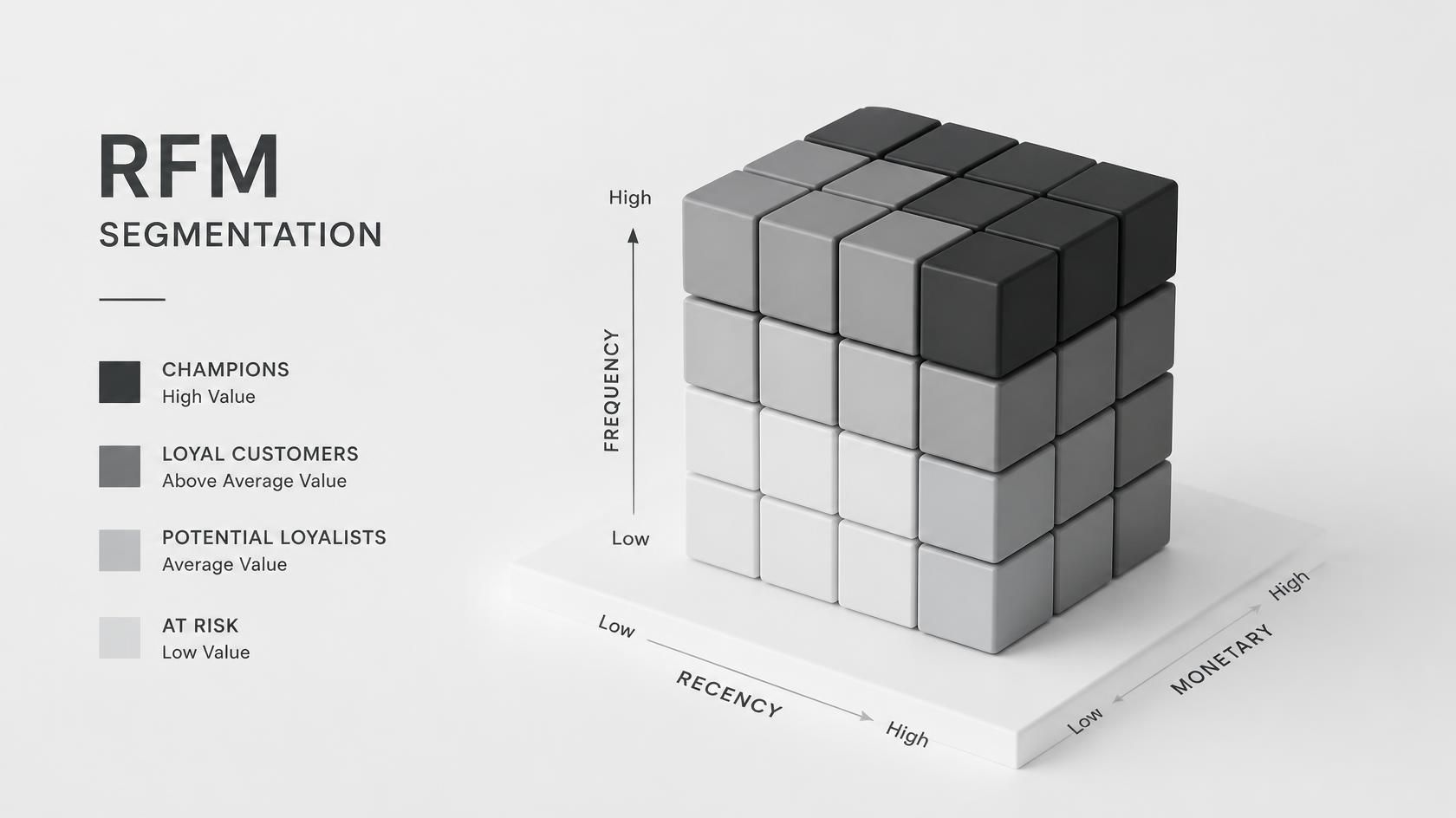
Segment Customers
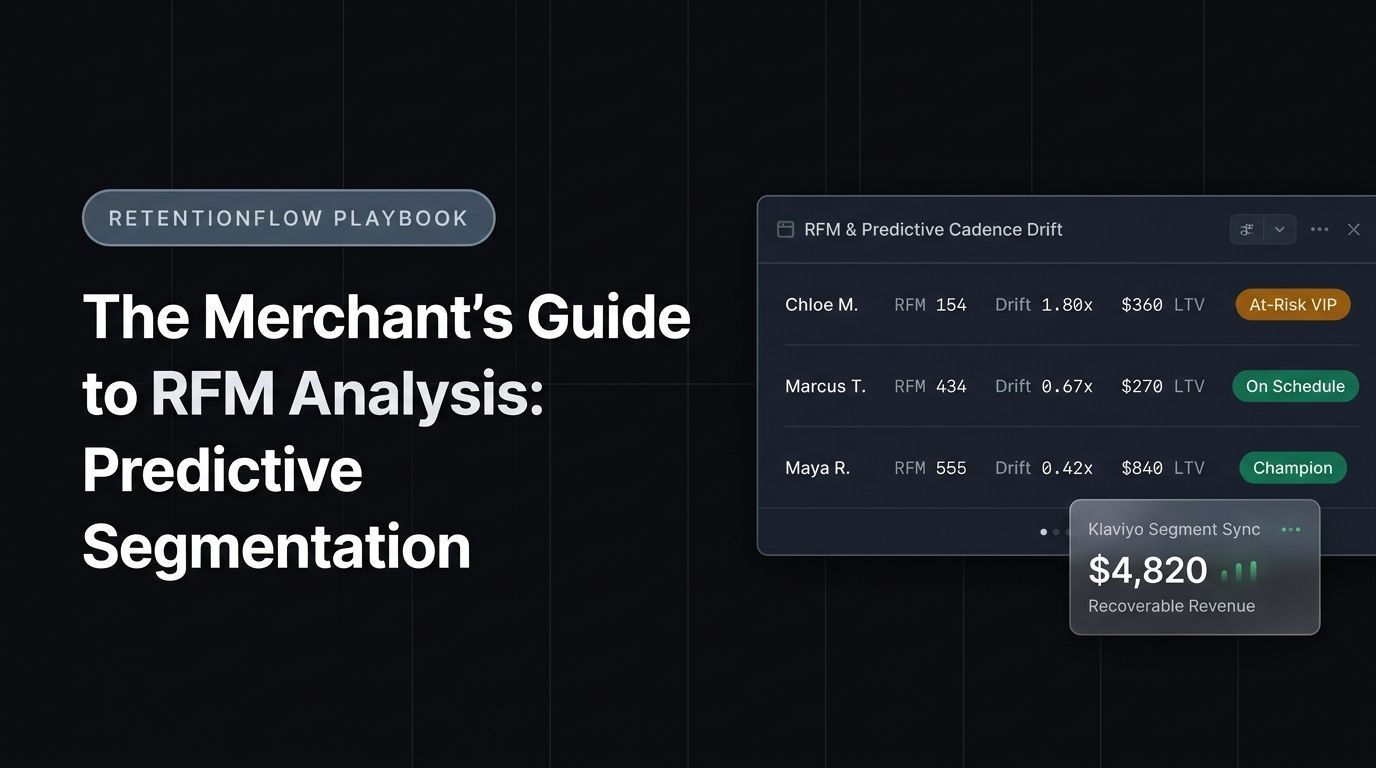
Not every customer should receive the same message.
Segmentation helps brands create relevant communication.
Examples:
New customers:
- Welcome messages
- Product education
Repeat customers:
- Loyalty rewards
- New product alerts
High-value customers:
- VIP offers
- Exclusive access
Inactive customers:
- Win-back campaigns
Personalize Customer Messages
Personalization improves relevance.
Instead of:
“Check out our products.”
Try:
“Your favorite cleanser is back. Complete your skincare routine today.”
Useful personalization includes:
- Previous purchases
- Product preferences
- Customer behavior
- Purchase timing
Build Lifecycle Campaigns
Customers move through different stages.
A strong SMS strategy supports each stage.
| Customer Stage | SMS Goal |
|---|---|
| New Subscriber | Build trust |
| First Purchase | Improve experience |
| Repeat Buyer | Increase loyalty |
| Inactive Customer | Recover relationship |
SMS Automation Flows That Drive Revenue
Automation helps brands communicate consistently.
| SMS Flow | Goal |
|---|---|
| Welcome Flow | Convert subscribers |
| Cart Recovery | Recover abandoned sales |
| Post Purchase | Improve customer experience |
| Replenishment | Increase repeat orders |
| Win Back | Recover inactive customers |
| VIP Flow | Reward loyal buyers |
Automated flows usually create better results because they reach customers at relevant moments.
SMS Metrics DTC Leaders Should Track
Sending more messages does not always mean better results.
Brands should measure performance.
| Metric | Purpose |
|---|---|
| Revenue Per Message | Measures financial impact |
| Conversion Rate | Measures sales performance |
| Click Rate | Measures engagement |
| Repeat Purchase Rate | Measures retention |
| Unsubscribe Rate | Measures customer interest |
The most important metric depends on the campaign goal.
A retention campaign should focus on repeat purchases, not only clicks.
Common SMS Strategy Mistakes
Sending Too Many Messages
Customers quickly lose interest when brands send unnecessary messages.
Quality matters more than quantity.
Using Only Discounts
Discounts can create short-term sales.
However, constant discounts can train customers to wait for offers.
Use SMS for:
- Education
- Product updates
- Loyalty
- Convenience
Ignoring Segmentation
Sending the same message to everyone reduces relevance.
Different customers need different communication.
Measuring Only Clicks
Clicks show interest.
They do not always show revenue.
Track business outcomes like:
- Orders
- Revenue
- Repeat purchases
Not Testing Campaigns
A successful SMS strategy requires testing.
Test:
- Message timing
- Copy style
- Offers
- Customer segments
How to Build an SMS Strategy Step by Step
Step 1: Define Your Goal
Decide what you want SMS to achieve.
Examples:
- Increase repeat purchases
- Recover abandoned carts
- Improve loyalty
Step 2: Build Your Subscriber List
Collect subscribers through:
- Website popups
- Checkout options
- Loyalty programs
- Customer accounts
Always follow SMS permission rules.
Step 3: Create Customer Segments
Start with simple groups:
- New customers
- Repeat customers
- VIP customers
- Inactive customers
Step 4: Build Automated Flows
Start with essential flows:
- Welcome flow
- Abandoned cart flow
- Post-purchase flow
- Win-back flow
Step 5: Measure Results
Review:
- Revenue
- Retention
- Repeat purchases
- Customer engagement
Use the data to improve campaigns.
SMS Strategy Examples for Shopify DTC Brands
Beauty Brand
Goal:
Increase repeat purchases.
SMS campaigns:
- Product usage tips
- Replenishment reminders
- New product launches
Apparel Brand
Goal:
Increase customer loyalty.
SMS campaigns:
- New collection alerts
- Early access
- VIP offers
Food Brand
Goal:
Increase reorder frequency.
SMS campaigns:
- Subscription reminders
- New flavors
- Limited-time offers
How SMS Impacts Customer Lifetime Value
Customer lifetime value increases when customers purchase more often and stay connected with a brand longer.
SMS can improve LTV by:
- Increasing repeat orders
- Reducing customer inactivity
- Creating stronger relationships
Example:
Customer A:
- Purchases once
- Never returns
Customer B:
- Purchases every three months
- Receives helpful SMS reminders
Customer B creates more long-term value.
Frequently Asked Questions
What is an SMS strategy?
An SMS strategy is a plan for using text messages to communicate with customers and improve sales, retention, and loyalty.
How does SMS improve DTC retention?
SMS improves retention by keeping customers engaged after purchase and encouraging repeat purchases.
Is SMS better than email for ecommerce?
SMS and email serve different purposes. SMS is faster, while email allows deeper communication.
How often should DTC brands send SMS?
Brands should send messages based on customer value and relevance. Too many messages can increase unsubscribes.
What SMS campaigns drive the most revenue?
Common high-performing campaigns include abandoned cart, welcome flows, replenishment reminders, and win-back campaigns.
Final Thoughts
A strong SMS strategy helps DTC brands build relationships beyond the first purchase.
The best brands do not use SMS only as a sales channel.
They use it as a retention engine.
By combining segmentation, automation, and customer-focused messaging, DTC leaders can increase repeat purchases, improve customer lifetime value, and create more predictable revenue growth.