17 Customer Retention Strategies and a 90-Day Plan
Customer retention strategies are the actions a business uses to keep existing customers, reduce churn, and increase repeat purchases.
The best strategies improve onboarding, customer support, product value, personalization, loyalty, and customer communication. A strong retention plan also tracks metrics like churn rate, customer lifetime value, repeat purchase rate, and customer retention rate.
In my opinion, retention works best when the full customer experience feels useful, easy, and honest. A loyalty program cannot fix a weak product, slow support, confusing pricing, or a poor onboarding experience.
Insert Visual: Customer Retention Lifecycle Map
Quick Answer: Best Customer Retention Strategies
The best customer retention strategies depend on why customers leave.
If customers leave after signup, improve onboarding. If customers buy once but do not return, improve post-purchase emails, reorder reminders, and loyalty offers.
| Customer retention strategy | Best for | Main metric |
|---|---|---|
| Improve onboarding | SaaS, apps, courses | Activation rate |
| Send lifecycle emails | Ecommerce, SaaS, subscriptions | Repeat purchase rate |
| Offer fast support | All businesses | CSAT and resolution time |
| Build a loyalty program | Ecommerce, retail, DTC | Repeat purchase rate |
| Use churn alerts | SaaS, subscriptions, B2B | Churn rate |
| Run win-back campaigns | Ecommerce, subscriptions | Reactivation rate |
| Personalize offers | Ecommerce, SaaS, B2B | Customer lifetime value |
| Collect feedback | All businesses | NPS and CSAT |
What Are Customer Retention Strategies?
Customer retention strategies are planned actions that help a business keep customers after the first sale, signup, or contract.
These strategies help customers get more value, solve problems faster, and find clear reasons to stay. They also reduce the need to keep replacing lost customers with new ones.
A customer retention strategy can include onboarding, support, loyalty programs, feedback surveys, product education, lifecycle emails, referral programs, win-back campaigns, and customer success check-ins.
What Is Customer Retention?
Customer retention means keeping customers active over time.
An ecommerce brand retains a customer when that person buys again. A SaaS company retains a customer when the user keeps renewing the product.
Customer retention also matters for agencies, local services, subscription brands, online courses, B2B companies, apps, and membership businesses.
Customer Retention vs Customer Acquisition
Customer acquisition brings new customers into the business.
Customer retention keeps existing customers from leaving. Both matter, but they solve different problems.
Acquisition grows the customer base. Retention protects existing revenue and improves long-term value.
| Area | Customer acquisition | Customer retention |
|---|---|---|
| Main goal | Get new customers | Keep existing customers |
| Main cost | Marketing and sales | Experience and relationship |
| Main risk | Low-quality traffic | Churn and lost trust |
| Main metric | CAC | Churn rate and CLV |
| Best use | Growth | Profit stability |
A business should not choose one over the other. It needs both.
Still, many businesses overinvest in acquisition and underinvest in retention. That creates a leaky bucket problem where new customers come in, but existing customers leave too fast.
Customer Retention vs Customer Loyalty
Customer retention shows what customers do.
Customer loyalty shows how customers feel.
A retained customer may keep buying because switching feels hard. A loyal customer keeps buying because they trust the brand and prefer it over other options.
The best brands build both. They keep customers active, and they give them a real reason to care.
Why Customer Retention Matters
Customer retention matters because retained customers can bring more value over time.
A returning customer already knows the brand. That customer needs less education, less convincing, and often less marketing effort than a brand-new customer.
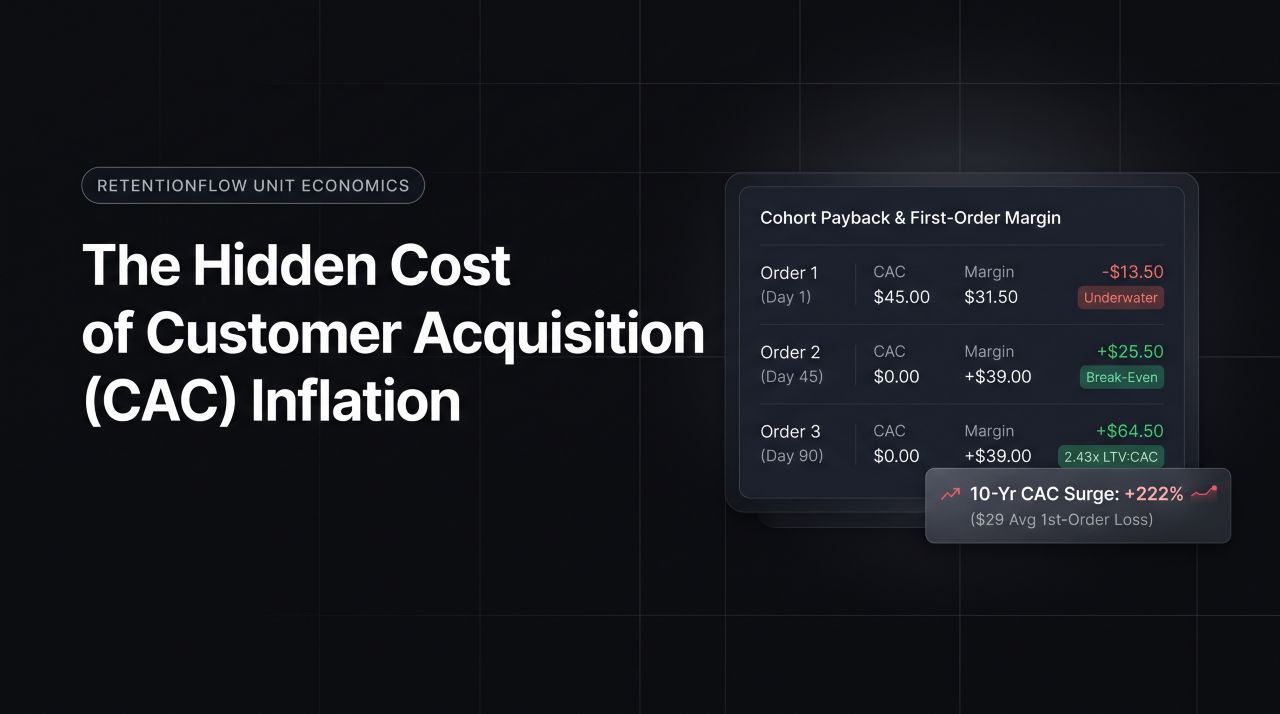
This matters even more when paid ads, marketplace fees, and customer acquisition costs keep rising.
Retention Improves Profit
Customer retention improves profit because existing customers are easier to sell to.
A customer who already trusts the product has fewer doubts. That makes repeat sales easier than first-time sales.
This does not mean every returning customer becomes profitable. It means a business with strong retention usually has better control over long-term revenue.
Retention Builds Stable Revenue
Customer retention builds stable revenue because it makes future sales easier to forecast.
This matters for SaaS, subscriptions, service contracts, agencies, memberships, and B2B companies. These businesses need customers to stay for months or years.
Stable retention also helps teams plan better. They can forecast support needs, inventory, hiring, and cash flow with more confidence.
Retention Creates Word-of-Mouth Growth
Customer retention can create word-of-mouth growth.
Happy customers can leave reviews, share referrals, post about the brand, and recommend the product to friends. That creates trust before a new buyer even visits the website.
However, word of mouth only works when the product and service deserve it. Customers rarely recommend a brand that gives them stress.
How To Measure Customer Retention
A business should measure retention before choosing tactics.
Without measurement, retention becomes guesswork. Teams may launch a loyalty program when the real problem is poor onboarding or slow support.
Use these metrics to find where customers stay, leave, or return.
Insert Visual: Customer Retention Metrics Formulas
Customer Retention Rate
Customer retention rate shows the percentage of customers who stayed during a specific time period.
Formula:
Customer retention rate = [(Customers at end of period - New customers acquired during period) / Customers at start of period] x 100
This metric works well for SaaS, subscriptions, memberships, agencies, and repeat-purchase businesses.
Customer Churn Rate
Customer churn rate shows how many customers left during a specific time period.
Formula:
Churn rate = Lost customers / Customers at start of period x 100
A high churn rate usually points to a deeper issue. That issue may come from poor onboarding, weak product fit, slow support, pricing problems, or unclear expectations.
Repeat Purchase Rate
Repeat purchase rate shows how many customers buy more than once.
Formula:
Repeat purchase rate = Customers with more than one purchase / Total customers x 100
Ecommerce brands should track this closely. A store with many first-time buyers but few repeat buyers may have a product, delivery, pricing, or post-purchase problem.
Purchase Frequency
Purchase frequency shows how often customers buy.
Formula:
Purchase frequency = Total orders / Unique customers
A coffee brand, skincare brand, pet food store, or supplement shop should care about this number. These products often have natural reorder cycles.
If purchase frequency drops, check product quality, delivery timing, refill reminders, competitor offers, and pricing.
Customer Lifetime Value
Customer lifetime value shows how much revenue one customer may bring during the full relationship.
Formula:
Customer lifetime value = Average order value x Purchase frequency x Customer lifespan
CLV helps a business decide how much it can spend to acquire and retain customers. It also helps teams find their most valuable customer segments.
Net Revenue Retention
Net revenue retention shows how much revenue a business keeps after churn, downgrades, upgrades, and expansion.
SaaS and B2B companies should track this metric. A company can lose some customers but still grow retained revenue if existing customers upgrade.
In my opinion, net revenue retention gives a more mature view of account health than customer count alone.
Cohort Retention
Cohort retention shows how different customer groups behave over time.
For example, customers who joined in January may stay longer than customers who joined in March. That difference may reveal a traffic-quality issue, onboarding change, product issue, or seasonal pattern.
Cohort analysis helps teams avoid shallow conclusions. It shows which customer groups stay and which ones leave.
Customer Effort Score
Customer effort score shows how hard customers feel they must work to complete a task.
A customer may leave because checkout feels hard, support feels slow, setup feels confusing, or cancellation feels painful. These problems may look small, but they damage retention.
In my opinion, customer effort deserves more attention. Many customers leave because the process annoys them, not because the core product is terrible.
Why Customers Leave
Customers leave when the value no longer feels worth the effort, price, or risk.
A SaaS user may leave because setup feels confusing. An ecommerce buyer may leave because delivery took too long.
A service client may leave because communication felt weak. A subscription customer may leave because the monthly product no longer felt fresh.
Poor Onboarding
Poor onboarding makes customers leave before they see value.
This happens often in software, apps, online courses, paid communities, memberships, and service businesses. Customers sign up, feel confused, and never reach the first useful result.
Good onboarding should not explain every feature. It should help the customer get one clear win quickly.
Slow Customer Support
Slow customer support breaks trust.
A customer with a problem wants a clear answer. If support delays, avoids ownership, or gives vague replies, the customer starts looking for another option.
Fast support does not mean rushed support. A good support reply should be fast, clear, useful, and human.
Weak Product Fit
Weak product fit causes churn even when marketing performs well.
A customer may buy because the sales page sounds strong. Then they leave because the product does not solve the problem they expected.
This is why honest positioning matters. A brand should attract the right customers, not just more customers.
Buying Friction
Buying friction hurts repeat purchases.
Customers may leave when checkout takes too long, account login fails, shipping details feel unclear, or returns feel risky. Small barriers can create big revenue leaks.
For SaaS, friction may show up in setup, billing, plan changes, or feature discovery. For ecommerce, friction often appears in checkout, delivery, returns, and reorder flows.
Weak Communication
Weak communication makes customers feel ignored.
This problem hits agencies, B2B services, consultants, SaaS companies, and local services hard. Customers often leave when they do not know what is happening.
Clear updates reduce doubt. Even a short status message can protect trust.
Price Without Clear Value
Price becomes a problem when value feels unclear.
A customer may pay a high price if the result feels strong. The same customer may cancel a cheaper product if the value feels weak.
Retention does not always require a lower price. It often requires better value delivery and better value communication.
Which Customer Retention Strategy Should You Use First?
The best customer retention strategy depends on the customer problem.
Do not start with a loyalty program if the real leak is poor onboarding. Do not start with win-back emails if customers are leaving because support is slow.
Start with the stage where customers drop off first.
Insert Visual: Customer Retention Strategy Selection Matrix
| Customer problem | Best strategy to start with | Main metric |
|---|---|---|
| Customers leave after signup | Improve onboarding | Activation rate |
| Customers buy once but do not return | Build post-purchase email flow | Repeat purchase rate |
| Customers complain often | Improve support and feedback loop | CSAT |
| Customers stop using the product | Use churn alerts and education | Product usage |
| Customers leave at renewal | Add renewal reminders and success check-ins | Renewal rate |
| Customers only buy with discounts | Improve value communication | Margin and CLV |
| Customers forget the brand | Use lifecycle emails and community | Engagement rate |
| High-value customers churn | Add account management | High-value churn rate |
Customer Retention Audit Checklist
A customer retention audit helps you find the real reason customers leave.
Use this checklist before choosing tactics. Score each item from 0 to 2, then fix the lowest-scoring areas first.
Insert Visual: Customer Retention Audit Checklist
- Do customers understand the product after signup?
- Do customers reach value in the first 7 days?
- Do customers get fast and useful support?
- Do customers receive helpful emails after purchase?
- Do customers know how to reorder, renew, or upgrade?
- Do customers have a clear reason to come back?
- Do customers complain about the same issues repeatedly?
- Do customers leave after one specific stage?
- Do high-value customers get extra attention?
- Do inactive customers receive a win-back message?
- Do policies feel clear, fair, and easy to find?
- Do teams review retention metrics every month?
17 Customer Retention Strategies That Work
The best customer retention strategies solve real customer problems.
They do not only push discounts. They improve the customer experience before the customer decides to leave.
The following strategies cover onboarding, support, personalization, loyalty, education, churn prevention, and trust.
1. Improve The Customer Onboarding Experience
Best for: SaaS, apps, online courses, subscriptions, services
Main metric: Activation rate
Best starting point: First 7 days after signup or purchase
A better onboarding experience helps customers reach value faster.
New customers should know what to do next. They should also know where to get help.
Use a welcome email, setup checklist, product tour, quick-start guide, help center link, and first-success milestone.
Ecommerce example: A coffee brand sends a first-order guide with storage tips, brewing tips, and reorder timing.
SaaS example: A project management tool guides users to create a project, invite a teammate, and complete the first task.
Service business example: An agency sends a welcome email with timeline, deliverables, meeting schedule, and main contact person.
Mistake to avoid: Do not show every feature at once. Help the customer get one useful result first.
2. Reduce Friction In The Customer Journey
Best for: Ecommerce, SaaS, subscriptions, local services
Main metric: Conversion rate and repeat purchase rate
Best starting point: Checkout, renewal, account login, and support access
Friction makes customers leave quietly.
A customer should not struggle to buy, renew, return, contact support, or update billing details. Every hard step gives them another reason to stop.
Improve page speed, checkout flow, account login, return policy, payment options, cancellation clarity, and mobile usability.
Ecommerce example: A skincare store adds guest checkout, clear shipping dates, and a simple return page.
SaaS example: A software product lets users update billing and change plans without contacting support.
Mistake to avoid: Do not hide friction behind “customer education.” If the flow feels hard, fix the flow.
3. Offer Fast And Helpful Customer Support
Best for: All businesses
Main metric: CSAT, first response time, resolution time
Best starting point: Most common support questions
Fast support protects customer trust.
A customer may forgive a product issue if the company solves it quickly. That same customer may leave if support feels slow or careless.
Use live chat, email support, phone support, help desk tools, self-service articles, and clear support hours.
Ecommerce example: A store answers delivery and return questions before they become negative reviews.
SaaS example: A support team gives clear steps, screenshots, and follow-up when a user gets stuck.
Mistake to avoid: Do not reward speed alone. A fast but useless reply still hurts trust.
4. Use Omnichannel Support
Best for: Ecommerce, SaaS, service businesses, high-touch brands
Main metric: Resolution time and support satisfaction
Best starting point: Channels customers already use
Omnichannel support lets customers contact the business through their preferred channel.
A customer may want email for complex issues, live chat for quick questions, phone support for urgent problems, and social media for public complaints.
Strong channels include email, chat, phone, WhatsApp, social media, help center, and in-app messages.
Real-world example: A customer asks about delivery on Instagram, then follows up by email. The support team should see the full history.
Mistake to avoid: Do not add channels without connecting customer history. Customers hate repeating the same issue.
5. Personalize The Customer Experience
Best for: Ecommerce, SaaS, B2B, subscriptions
Main metric: CLV, engagement rate, repeat purchase rate
Best starting point: Customer behavior and lifecycle stage
Personalization helps customers feel understood.
Use order history, browsing behavior, plan type, location, customer stage, and product usage to make the experience more relevant.
Good personalization feels useful. Bad personalization feels lazy, creepy, or random.
Ecommerce example: A pet food brand recommends reorder timing based on pet size and previous purchase.
SaaS example: A product sends tips based on features the user has not tried yet.
Mistake to avoid: Do not use personal data just because you have it. Use it only when it improves the customer experience.
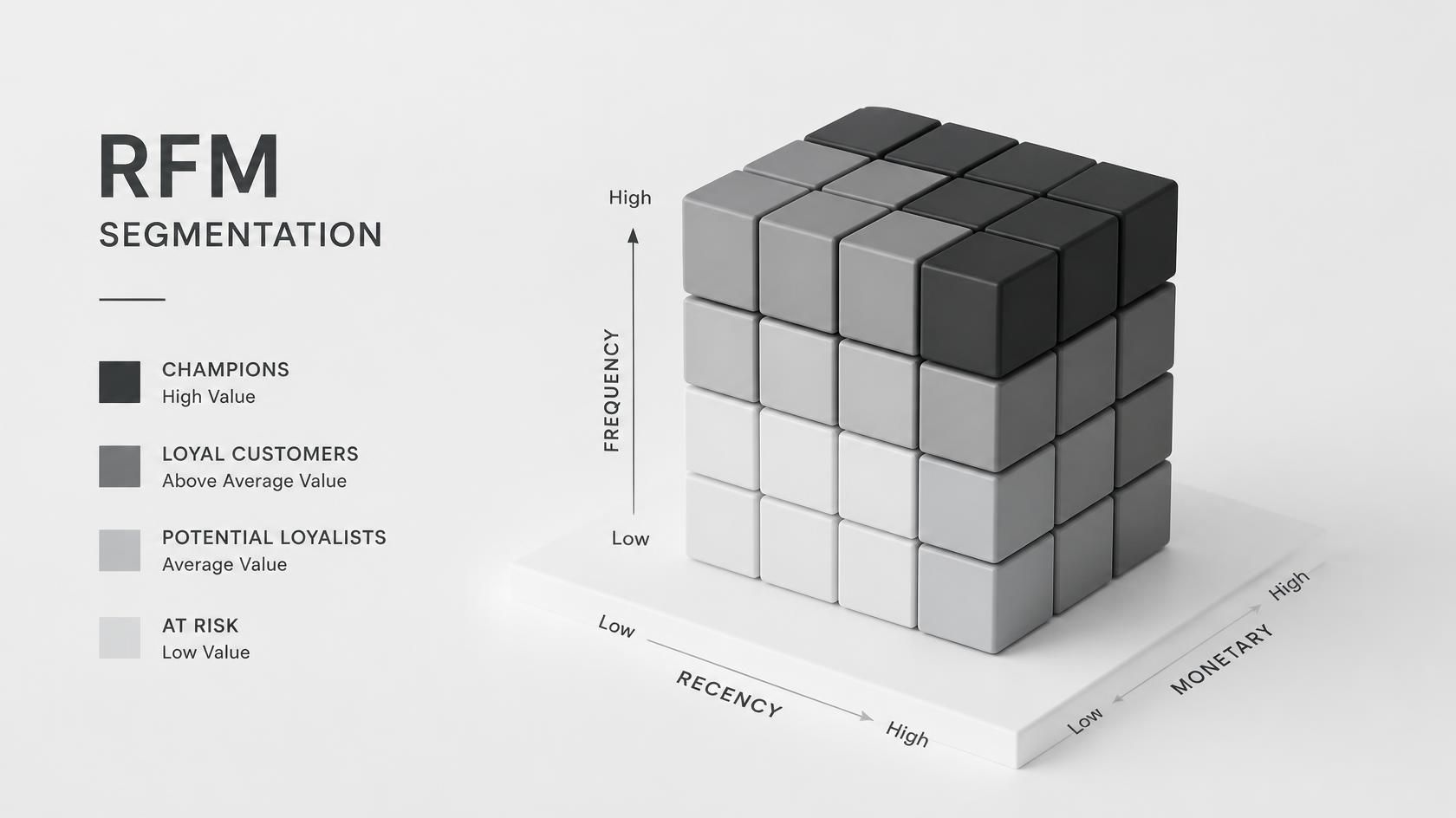
6. Segment Customers By Behavior
Best for: Ecommerce, SaaS, B2B, subscription businesses
Main metric: Segment-level retention rate
Best starting point: New, active, loyal, inactive, and at-risk customers
Customer segmentation makes retention more precise.
Not all customers need the same message. New customers, loyal customers, inactive customers, high-value customers, and at-risk customers need different treatment.
Segment customers by purchase history, product usage, support history, lifetime value, engagement level, and churn risk.
Example: An inactive customer may need a win-back message. A loyal customer may need early access or a VIP reward.
Mistake to avoid: Do not treat every customer like a first-time buyer.
7. Build A Customer Feedback Loop
Best for: All businesses
Main metric: NPS, CSAT, review themes, complaint themes
Best starting point: Post-purchase, post-support, and cancellation moments
A feedback loop helps a business fix problems before customers leave.
Use CSAT surveys, NPS surveys, product feedback forms, post-support surveys, exit surveys, review analysis, and support ticket trends.
Feedback only works when the business acts on it. Asking for feedback and ignoring it can damage trust.
Ecommerce example: A store checks refund reasons and sees that sizing is the main issue.
SaaS example: A product team reviews cancellation reasons and sees that users do not understand setup.
Mistake to avoid: Do not collect feedback only for reporting. Use it to fix the customer experience.
8. Create A Customer Education System
Best for: SaaS, apps, tools, courses, technical products, B2B services
Main metric: Product usage and support ticket reduction
Best starting point: Questions customers ask most often
Customer education helps customers get more value from the product.
Use tutorials, webinars, knowledge base articles, product tips, email lessons, video walkthroughs, and use-case guides.
Many customers do not leave because the product lacks value. They leave because they never learn how to use it well.
SaaS example: A design tool creates short tutorials for the top five use cases.
B2B example: A software company runs monthly training for new team members inside customer accounts.
Mistake to avoid: Do not create a huge knowledge base without clear navigation.
9. Send Lifecycle Emails
Best for: Ecommerce, SaaS, subscriptions, memberships
Main metric: Repeat purchase rate, activation rate, reactivation rate
Best starting point: Welcome, post-purchase, reorder, renewal, and win-back flows
Lifecycle emails keep the relationship active after signup or purchase.
A good lifecycle email should match the customer’s stage. New customers need guidance. Active customers need deeper value. Inactive customers need a reason to return.
Use welcome emails, post-purchase emails, reorder reminders, usage tips, renewal reminders, milestone emails, and win-back emails.
Ecommerce example: A supplement brand sends a reminder before the customer likely runs out.
SaaS example: A product sends an email when usage drops for two weeks.
Mistake to avoid: Do not send only sales emails. Teach, remind, guide, and reduce doubt.
10. Launch A Loyalty Program
Best for: Ecommerce, retail, DTC brands, local businesses
Main metric: Repeat purchase rate and purchase frequency
Best starting point: Customers who already buy more than once
A loyalty program rewards repeat behavior.
This can include points, tiers, VIP access, early product access, birthday rewards, store credit, or member-only offers.
A loyalty program works best when customers already like the product. It should not act as a cover-up for bad service or weak product quality.
Ecommerce example: A skincare brand gives points for repeat orders, reviews, and referrals.
Local business example: A coffee shop offers a free drink after a set number of purchases.
Mistake to avoid: Do not make rewards hard to understand or hard to redeem.
11. Use Referral Programs
Best for: Ecommerce, SaaS, service businesses, community-led brands
Main metric: Referral conversion rate
Best starting point: Happy and loyal customers
Referral programs reward customers for bringing in new buyers.
A good referral program can improve both retention and acquisition. Existing customers feel rewarded, and new customers arrive through trust.
Use store credit, cash rewards, free products, discounts for both sides, account upgrades, or bonus feature access.
Example: A subscription brand gives the existing customer store credit and gives the new customer a first-order discount.
Mistake to avoid: Do not make the referral offer confusing. Customers should understand the reward in one sentence.
12. Build A Customer Community
Best for: SaaS, creator brands, fitness, education, hobby products, B2B tools
Main metric: Engagement rate and retention by community members
Best starting point: Customers who already ask questions or share results
A customer community gives people a place to learn, share, ask questions, and feel connected.
Use a private Facebook group, Slack community, Discord server, customer forum, product idea board, or customer advisory board.
A community needs a clear reason to exist. A dead group can hurt the brand more than help it.
Example: A fitness app creates a community where members share progress, ask questions, and join monthly challenges.
Mistake to avoid: Do not launch a community without moderation, prompts, and member value.
13. Encourage Reviews And Testimonials
Best for: Ecommerce, local services, SaaS, B2B services
Main metric: Review volume, rating quality, conversion rate
Best starting point: After positive customer moments
Reviews and testimonials build trust before and after the sale.
New customers use reviews to reduce risk. Existing customers use social proof to feel more confident about their choice.
Ask for reviews after a positive moment. That moment could follow delivery, support resolution, renewal, project success, or product results.
Example: A local clinic asks for a review after a successful appointment and follow-up message.
Mistake to avoid: Do not only collect praise. Respond to negative reviews with care and useful context.
14. Show Customer Appreciation
Best for: Ecommerce, local businesses, service businesses, B2B
Main metric: Repeat purchase rate, referrals, customer sentiment
Best starting point: Loyal customers and milestone moments
Customer appreciation makes people feel noticed.
Use thank-you emails, small gifts, anniversary rewards, surprise credits, handwritten notes, public shoutouts, or VIP upgrades.
Appreciation works when it feels real. A generic “thank you for being valued” message rarely creates strong loyalty.
Example: An agency sends a personal thank-you message after a major project milestone.
Mistake to avoid: Do not fake personal appreciation with obvious mass messages.
15. Create Proactive Churn Alerts
Best for: SaaS, subscriptions, memberships, B2B accounts
Main metric: Churn rate and reactivation rate
Best starting point: Behavior changes before cancellation
Proactive churn alerts help a business act before customers leave.
Watch for falling product usage, fewer logins, no repeat order, failed payments, negative feedback, more support tickets, unopened emails, and upcoming renewal dates.
For ecommerce, a churn signal may be no second order after the normal reorder window. For SaaS, a churn signal may be a drop in feature usage.
Example: A SaaS company alerts customer success when a high-value account stops using a key feature.
Mistake to avoid: Do not wait until cancellation. Act when behavior starts to drop.
16. Run Win-Back Campaigns
Best for: Ecommerce, subscriptions, SaaS, memberships
Main metric: Reactivation rate
Best starting point: Inactive customers
Win-back campaigns target inactive or lost customers.
The goal is to give the customer a reason to return. That reason may be a new feature, improved product, useful reminder, better offer, or personal message.
Use “we miss you” emails, personalized offers, product updates, reorder reminders, feedback requests, and limited-time credits.
Example: A subscription box tells inactive customers about new product choices and flexible delivery options.
Mistake to avoid: Do not rely only on discounts. Explain what changed and why the customer should care now.
17. Build Trust With Clear Policies
Best for: All businesses
Main metric: Refund rate, cancellation rate, customer complaints
Best starting point: Pricing, renewal, refund, return, and cancellation pages
Clear policies help customers feel safe.
Customers want to understand pricing, refunds, renewals, shipping, returns, cancellation, contracts, and hidden fees before they commit.
Use clear pricing pages, honest delivery timelines, simple refund terms, transparent renewal notices, and easy cancellation rules.
Trust is a customer retention strategy. Customers may accept a limitation, but they rarely forgive feeling misled.
Customer Retention Strategies By Business Model
Different businesses need different retention strategies.
A SaaS company should not copy a coffee shop’s loyalty program. A local clinic should not copy an ecommerce discount flow.
The best strategy matches the business model, buying cycle, customer need, and churn pattern.
Ecommerce Customer Retention Strategies
Ecommerce brands should focus on repeat purchase rate, delivery experience, product education, and post-purchase communication.
Good ecommerce tactics include reorder reminders, loyalty points, product bundles, personalized product recommendations, easy returns, review requests, and win-back offers.
Example: A skincare brand can send refill reminders based on average product usage time.
SaaS Customer Retention Strategies
SaaS companies should focus on onboarding, activation, product adoption, customer success, and renewal health.
A SaaS user stays when the product becomes part of their workflow. That means the product must help them complete important tasks again and again.
Good SaaS tactics include setup checklists, in-app tips, usage emails, training videos, success calls, churn-risk alerts, and renewal reminders.
Service Business Customer Retention Strategies
Service businesses should focus on trust, communication, timelines, quality, and follow-up.
A client wants to know what happens next. They also want to feel that the business cares about the result.
Good tactics include project updates, post-service check-ins, satisfaction surveys, service reminders, and personal follow-ups.
B2B Customer Retention Strategies
B2B companies should focus on business outcomes.
A B2B customer stays when the product or service helps them save time, reduce cost, increase revenue, lower risk, or improve operations.
Good tactics include account reviews, executive reports, support SLAs, training, usage reports, success plans, and expansion strategy.
Local Business Customer Retention Strategies
Local businesses should focus on relationships and reminders.
A dental clinic, salon, gym, repair shop, or cleaning service can retain customers through simple follow-ups. These businesses often win because they feel reliable and easy to contact.
Good tactics include SMS reminders, appointment follow-ups, referral rewards, review requests, memberships, and customer appreciation.
Customer Retention Strategy By Lifecycle Stage
A strong retention plan should match the customer lifecycle.
A new customer needs onboarding. An active customer needs value. An at-risk customer needs support. A loyal customer needs recognition.
| Lifecycle stage | Customer goal | Best retention strategy |
|---|---|---|
| New customer | Understand what to do next | Welcome email and onboarding |
| First value | Get one useful result | Guided setup and milestone |
| Active customer | Keep using or buying | Lifecycle emails and education |
| Loyal customer | Feel recognized | VIP access and loyalty rewards |
| At-risk customer | Get help before leaving | Churn alerts and proactive support |
| Inactive customer | Find a reason to return | Win-back campaign |
| High-value customer | Grow the relationship | Account management |
30, 60, And 90-Day Customer Retention Plan
A customer retention plan should turn ideas into action.
The first 30 days should find the leaks. The next 30 days should fix the biggest friction points. The final 30 days should scale what works.
This approach gives teams a simple way to act without trying to fix everything at once.
Insert Visual: 30, 60, 90-Day Customer Retention Plan
First 30 Days: Find The Leaks
Start by calculating customer retention rate, churn rate, repeat purchase rate, purchase frequency, and customer lifetime value.
Then review support tickets, negative reviews, refund reasons, cancellation notes, customer surveys, and website drop-off points.
Segment customers into new, active, loyal, inactive, high-value, and at-risk groups.
This step matters because a business should fix the biggest leak first. A loyalty program will not solve broken onboarding.
Days 31 To 60: Fix Friction
The next step is to fix the biggest friction points.
Improve onboarding, simplify checkout, update support content, add post-purchase emails, and improve response time.
Create a customer feedback survey. Then add churn-risk triggers based on behavior, complaints, payment issues, or inactivity.
This stage should create visible customer experience improvements. The goal is not to look busy. The goal is to remove reasons customers leave.
Days 61 To 90: Scale What Works
The final step is to scale what works.
Launch lifecycle email flows, win-back campaigns, loyalty rewards, customer education content, and referral offers.
Review cohort retention to see which customer groups improved. Then compare retention by traffic source, product type, plan, location, and customer segment.
This stage turns retention from a short project into a repeatable system.
Free Customer Retention Strategy Template
Use this template before launching a retention campaign.
| Field | What to write |
|---|---|
| Business model | Ecommerce, SaaS, service, B2B, local, subscription |
| Main churn problem | Where customers leave |
| Customer segment | New, active, loyal, inactive, at-risk, high-value |
| Main metric | Churn rate, repeat purchase rate, activation rate, CLV |
| Strategy | The tactic you will use |
| Action steps | What the team will do |
| Owner | Who manages it |
| Timeline | When it starts and ends |
| Expected result | What should improve |
| Review date | When results will be checked |
Example:
| Field | Example answer |
|---|---|
| Business model | SaaS |
| Main churn problem | Users leave after signup |
| Customer segment | New users |
| Main metric | Activation rate |
| Strategy | Improve onboarding |
| Action steps | Add checklist, product tour, and first-use email |
| Owner | Product marketing |
| Timeline | 30 days |
| Expected result | More users complete setup |
| Review date | End of month |
Customer Retention Examples
Real-world examples make retention easier to understand.
The same strategy can look different across business models. That is why examples matter.
A retention plan should always connect the tactic to the customer’s real behavior.
Ecommerce Example
A skincare brand wants more repeat purchases.
The brand sends product usage tips after delivery. Then it sends a refill reminder before the customer likely runs out.
It also offers a bundle for repeat buyers and asks for a review after a positive experience.
SaaS Example
A project management tool wants fewer users to cancel after signup.
The company improves onboarding with a three-step checklist. It also sends usage tips based on what the user has not tried.
The customer success team gets an alert when a high-value user stops logging in.
Local Service Example
A dental clinic wants patients to come back for checkups.
The clinic sends appointment reminders, follow-up care tips, review requests, and yearly checkup reminders.
This keeps the relationship active without sounding pushy.
B2B Service Example
A marketing agency wants to reduce client churn.
The agency creates monthly reports, strategy calls, clear timelines, and early issue warnings.
Clients stay longer when they see progress and feel informed.
Subscription Brand Example
A subscription box wants fewer cancellations.
The brand adds flexible delivery dates, easy skips, product preferences, and clear renewal reminders.
Customers stay longer when they feel in control.
Customer Retention Tools
Customer retention tools should support the strategy, not replace it.
No tool can create loyal customers by itself. Retention depends on product value, support quality, customer communication, and trust.
Still, the right tools can help teams act faster and make better decisions.
CRM Software
CRM software helps teams track customer records, sales history, contact history, lifecycle stage, and account notes.
This works well for B2B companies, agencies, service businesses, and sales-led teams.
Help Desk Software
Help desk software helps teams manage support tickets, response time, issue history, and support quality.
This matters when support speed affects churn.
Email Marketing Software
Email marketing software helps teams send welcome flows, lifecycle emails, reorder reminders, renewal alerts, and win-back campaigns.
This works well for ecommerce, SaaS, subscriptions, online courses, and memberships.
Product Analytics Software
Product analytics software helps teams track activation, usage, feature adoption, user behavior, and churn signals.
This matters most for SaaS, mobile apps, and digital products.
Survey And Voice-Of-Customer Tools
Survey tools help teams collect feedback, CSAT, NPS, customer sentiment, and product ideas.
These tools help teams understand why customers stay or leave.
Loyalty And Referral Tools
Loyalty and referral tools help teams manage points, rewards, VIP tiers, store credit, referral tracking, and customer incentives.
These tools work best when repeat purchases or referrals already fit the business model.
How AI Can Improve Customer Retention
AI can improve customer retention when it helps teams act faster.
It can help identify churn risk, summarize feedback, personalize messages, route support tickets, and trigger win-back campaigns.
AI should support human judgment. It should not replace product quality, honest pricing, or helpful customer support.
AI Can Predict Churn Risk
AI can find patterns that suggest a customer may leave.
These patterns may include fewer logins, lower usage, negative support sentiment, failed payments, or missed renewal activity.
This helps teams act before the customer cancels.
AI Can Personalize Recommendations
AI can help recommend the next best product, feature, guide, or offer.
This works well when the recommendation helps the customer solve a real problem.
Bad personalization still hurts. The message should feel useful, not invasive.
AI Can Improve Support Routing
AI can route support tickets to the right team faster.
It can also summarize long conversations, detect customer frustration, and suggest helpful replies.
The final response should still sound human. Customers can tell when support feels careless.
AI Can Summarize Customer Feedback
AI can scan reviews, surveys, tickets, and cancellation reasons for common themes.
This helps teams find repeated issues faster.
For example, it may show that customers keep mentioning confusing setup, unclear pricing, or slow delivery.
AI Can Trigger Win-Back Campaigns
AI can help identify inactive customers and trigger relevant win-back messages.
The message should match the reason the customer became inactive.
A customer who stopped because of price needs a different message from a customer who stopped because of low product usage.
Common Customer Retention Mistakes
Customer retention fails when businesses treat it like a quick tactic.
Retention needs a system. It needs product value, clear communication, customer insight, and consistent follow-through.
These mistakes can make a retention strategy weaker.
Mistake 1: Using Discounts Too Often
Constant discounts can train customers to wait.
A discount may win a short-term sale, but it can weaken product value over time.
Use discounts carefully. Better retention often comes from better timing, education, support, and product fit.
Mistake 2: Copying Another Brand’s Loyalty Program
A copied loyalty program often feels weak.
A beauty store, SaaS tool, local gym, and B2B agency do not need the same rewards. Their customers behave differently.
A good loyalty program should match the product, margin, buying cycle, and customer motivation.
Mistake 3: Treating Retention As Only A Marketing Task
Retention is not only a marketing job.
Product, support, sales, customer success, operations, and finance all affect retention.
Marketing can send better emails, but it cannot fix a broken product experience alone.
Mistake 4: Ignoring Poor-Fit Customers
Some churn is healthy.
A customer who never needed the product may leave no matter how strong the retention plan looks. Keeping the wrong customer can drain support time and hurt team focus.
A better goal is to retain good-fit customers. These customers understand the value and can get real results.
Mistake 5: Measuring Only Overall Retention
Overall retention can hide serious problems.
A business may have strong retention among loyal customers but poor retention among first-time buyers. Another business may keep low-value customers but lose high-value customers.
Segment-level reporting gives a clearer view. It shows which customer groups need attention.
Mistake 6: Asking For Feedback Too Late
Exit surveys help, but early feedback helps more.
A customer may show warning signs before canceling. They may stop logging in, stop opening emails, stop buying, or contact support more often.
Ask for feedback before the customer fully leaves. Early feedback gives the business a chance to fix the issue.
Mistake 7: Making Cancellation Hard
Hard cancellation may delay churn, but it damages trust.
Customers remember brands that trap them. They also share those bad experiences in reviews, social posts, and private conversations.
A clear cancellation process can support long-term trust. Some customers may return later if the exit feels fair.
Mistake 8: Sending Too Many Win-Back Emails
Too many win-back emails can annoy inactive customers.
A win-back flow should have a clear reason, useful message, and natural stopping point.
If the customer does not respond, respect that signal.
Mistake 9: Ignoring Silent Churn Signals
Silent churn happens when customers stop engaging before they cancel.
They may stop logging in, stop buying, stop opening emails, or stop using core features.
These signals matter because they give the business time to act.
How To Know If Your Retention Strategy Is Working
A customer retention strategy works when customer behavior improves.
Track retention rate, churn rate, repeat purchase rate, purchase frequency, customer lifetime value, support resolution time, CSAT, NPS, renewal rate, referrals, and refund rate.
Do not judge success from one number only. Retention has several layers.
Review Results By Segment
Segment-level reporting gives a clearer view.
A strategy may improve repeat purchases but fail with first-time buyers. Another strategy may reduce churn among small customers but lose high-value accounts.
Track retention by customer type, traffic source, plan, product, region, purchase history, and lifecycle stage.
Review Both Numbers And Feedback
Numbers show what happened.
Feedback explains why it happened.
A good retention review should include metrics, survey responses, reviews, support tickets, cancellation reasons, and customer interviews.
Final Expert Take
The best customer retention strategy is not one tactic.
It is a system that helps customers get value, solve problems, feel understood, and trust the brand. That system includes onboarding, support, personalization, education, feedback, loyalty, churn alerts, and honest communication.
In my opinion, businesses should stop treating retention as a loyalty program problem. Most retention issues start earlier, often during onboarding, product use, support, pricing, or expectation setting.
A strong customer retention plan should answer three questions.
Why do customers leave?
Which customers should we focus on first?
What can we fix in the next 30, 60, and 90 days?
When a business answers those questions clearly, retention becomes much easier to improve.
FAQs About Customer Retention Strategies
What are customer retention strategies?
Customer retention strategies are actions that help a business keep existing customers, reduce churn, and increase repeat purchases.
These strategies include onboarding, customer support, personalization, loyalty programs, lifecycle emails, customer education, feedback loops, and win-back campaigns.
What is the best customer retention strategy?
The best customer retention strategy depends on why customers leave.
If customers leave after signup, improve onboarding. If customers buy once but do not return, improve post-purchase emails, reorder reminders, and loyalty offers.
How do you increase customer retention?
You increase customer retention by improving the customer experience before customers leave.
Start with onboarding, support speed, product value, customer feedback, personalization, lifecycle emails, and churn alerts.
What causes poor customer retention?
Poor customer retention often comes from weak onboarding, slow support, poor product fit, confusing pricing, poor communication, and too much friction.
Customers also leave when the product does not match the promise made during marketing or sales.
How often should you measure customer retention?
Most businesses should review customer retention every month.
SaaS, subscription, and membership businesses should also track cohorts, renewals, cancellations, and product usage more often.
Do loyalty programs improve customer retention?
Loyalty programs can improve customer retention when customers already like the product.
They rarely fix deeper issues like poor support, weak product quality, unclear pricing, or bad delivery experience.
Is customer retention better than customer acquisition?
Customer retention and customer acquisition both matter.
Acquisition brings new customers. Retention keeps existing customers active and helps the business grow with more stability.
What is a good customer retention plan for beginners?
A good beginner plan starts with simple steps.
Measure retention, find why customers leave, improve onboarding, fix support issues, send lifecycle emails, ask for feedback, and create a win-back campaign for inactive customers.
What customer retention metrics should you track?
Track customer retention rate, churn rate, repeat purchase rate, purchase frequency, customer lifetime value, net revenue retention, CSAT, NPS, and cohort retention.
These metrics show whether customers stay, return, spend more, or leave.
How can AI help with customer retention?
AI can help identify churn risk, personalize messages, route support tickets, summarize feedback, and trigger win-back campaigns.
AI works best when it supports a strong customer experience. It cannot replace product quality, trust, or human support.