How to Boost Customer Retention: 10 Tests to Run
Pick one point where customers stop progressing: a first order that never becomes a second, subscribers who cancel before renewal, or repeat buyers who go quiet. Run one small test against that problem before rolling out changes to every customer.
Choose the audience and the decision
Start with first-time buyers whose first order arrived 30 to 45 days ago. Compare a usage tip with the usual follow-up, keep a holdout, and measure second purchases over the same 30-day window.
What Does Customer Retention Mean?
Customer retention means the ability of a business to keep existing customers and encourage them to continue buying.
A strong customer retention strategy improves:
- Repeat purchases
- Customer loyalty
- Customer lifetime value
- Brand trust
- Long-term revenue
Customer retention is not about stopping customers from leaving only.
It is about creating a better experience that makes customers want to return.
Why Customer Retention Matters for Business Growth
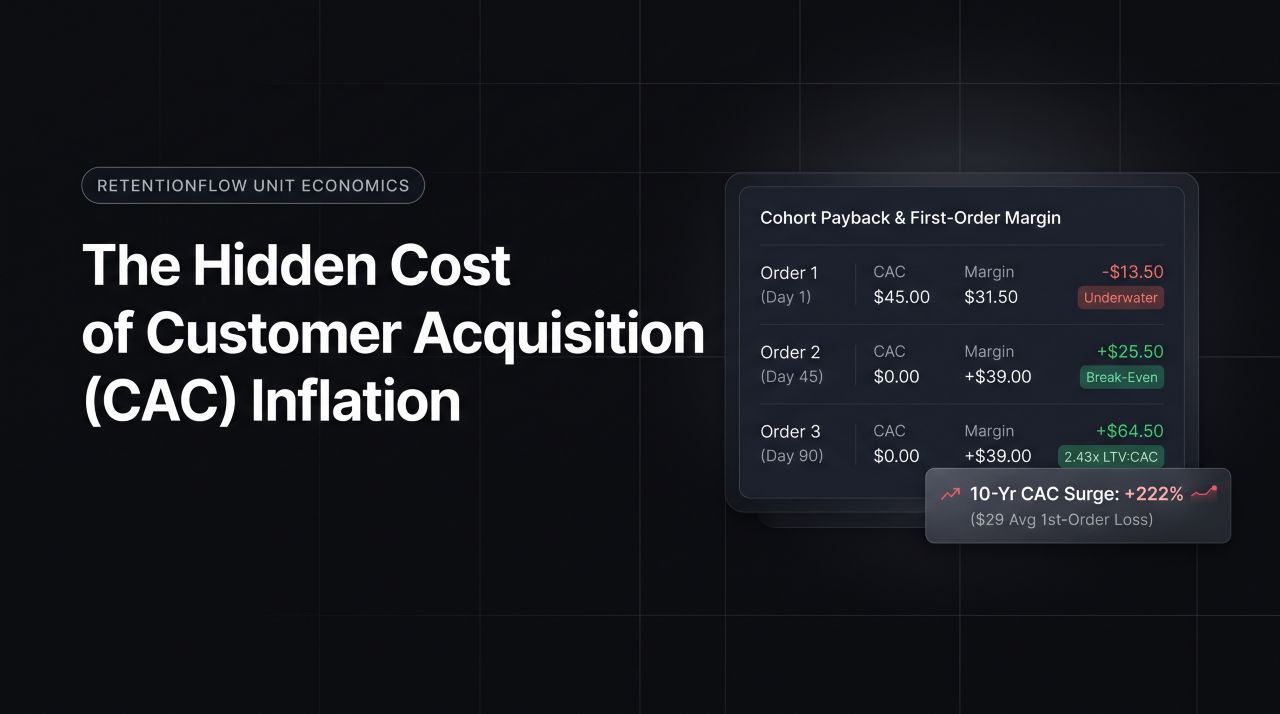
Customer retention matters because acquiring new customers is becoming more expensive.
Businesses often spend money on advertising, promotions, and sales campaigns to attract buyers.
If customers purchase once and never return, the business must keep paying to replace them.
| Business Goal | How Retention Helps |
|---|---|
| Increase revenue | Creates more repeat purchases |
| Reduce costs | Lowers dependence on acquisition |
| Build loyalty | Creates stronger relationships |
| Improve profit | Increases customer lifetime value |
A small improvement in retention can create meaningful revenue growth over time.
Customer Retention vs Customer Acquisition
Customer acquisition focuses on finding new buyers. Customer retention focuses on increasing the value of existing customers.
Both matter, but they support growth in different ways.
| Factor | Customer Acquisition | Customer Retention |
|---|---|---|
| Main goal | Get new customers | Keep existing customers |
| Cost | Usually higher | Usually lower |
| Customer relationship | New | Already established |
| Business impact | Short-term growth | Long-term growth |
Successful businesses use acquisition to bring customers in and retention to grow their value.
The Customer Retention Growth Framework
A strong retention system follows the customer journey.
| Customer Stage | Goal | Key Action |
|---|---|---|
| First purchase | Build trust | Create a smooth onboarding experience |
| Early usage | Deliver value | Provide education and support |
| Repeat purchase | Build habits | Use reminders and recommendations |
| Loyalty stage | Strengthen connection | Create rewards and community |
Retention improves when businesses support customers at every stage.
1. Improve the First Customer Experience
The first experience after purchase affects future buying decisions.
Customers want to know they made the right choice.
Businesses can improve onboarding with:
- Welcome emails
- Product guides
- Setup instructions
- Helpful resources
- Fast customer support
For example, a skincare brand can send a routine guide after purchase. A SaaS company can provide setup tutorials after signup.
Helping customers get value quickly increases the chance they stay.
2. Personalize Customer Communication
Customers respond better when messages match their needs.
Generic marketing often feels irrelevant.
Businesses can personalize communication using:
- Purchase history
- Customer interests
- Browsing behavior
- Previous interactions
- Customer preferences
| Customer Behavior | Useful Message |
|---|---|
| New customer | Welcome and education content |
| Repeat buyer | Loyalty reward |
| Inactive customer | Win-back campaign |
| Frequent buyer | VIP offer |
Personalization helps customers feel understood.
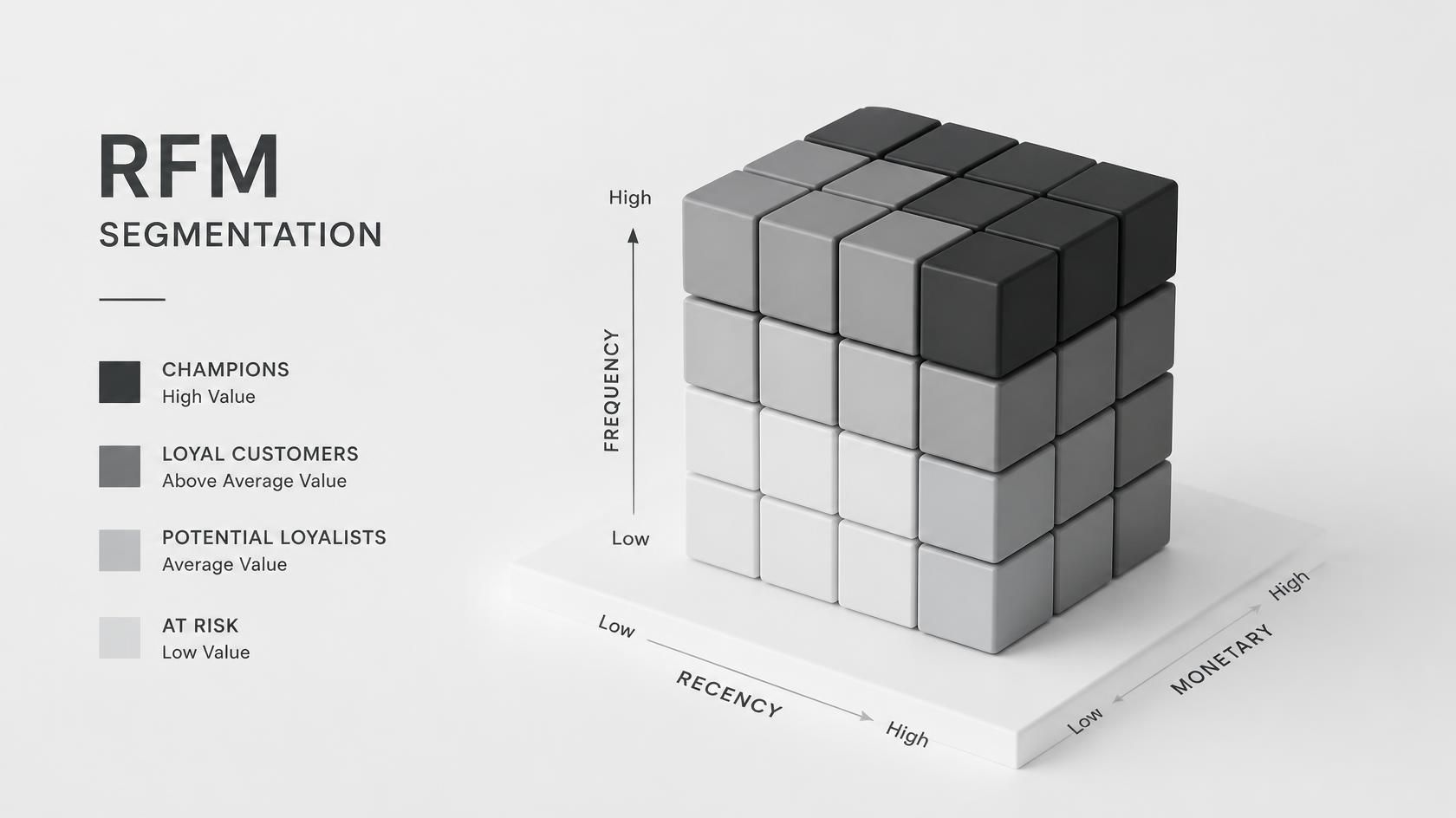
3. Build Customer Segmentation
Not every customer has the same value or needs.
Customer segmentation helps businesses send better messages.
Useful segments include:
New Customers
Goal:
Build trust and encourage the second purchase.
Repeat Customers
Goal:
Increase buying frequency.
VIP Customers
Goal:
Create stronger loyalty.
At-Risk Customers
Goal:
Prevent churn.
A segmented strategy usually performs better than sending the same message to everyone.
4. Create a Strong Loyalty Program
A loyalty program gives customers a reason to return.
However, effective programs offer more than discounts.
Strong loyalty benefits include:
- Reward points
- Referral rewards
- Early product access
- Exclusive offers
- VIP membership
The best loyalty programs make customers feel valued.
5. Improve Customer Support
Customer support directly affects retention.
Customers remember how businesses handle problems.
Strong support includes:
- Fast response times
- Clear solutions
- Easy returns
- Helpful employees
- Self-service options
A good support experience can turn an unhappy customer into a loyal one.
6. Use Retention Automation
Automation helps businesses stay connected without manual work.
Important retention automations include:
| Automation | Purpose |
|---|---|
| Welcome sequence | Build early trust |
| Post-purchase emails | Improve experience |
| Reorder reminders | Increase repeat sales |
| Win-back emails | Recover inactive customers |
For example, a coffee subscription company can remind customers when they may need another order.
7. Create Win-Back Campaigns for Inactive Customers
Not every inactive customer is lost forever.
A win-back campaign helps bring customers back.
A simple win-back process:
- Identify customers who stopped buying.
- Send helpful content or a personalized offer.
- Ask for feedback.
- Improve the experience.
The goal is to restart the relationship.
8. Build Customer Engagement After Purchase
Many businesses stop communication after a sale.
This creates missed retention opportunities.
Businesses should continue adding value through:
- Product education
- Helpful guides
- Customer stories
- Community content
- New product updates
Customers stay connected when brands continue helping them.
9. Collect and Use Customer Feedback
Customer feedback shows why people stay or leave.
Businesses can collect feedback through:
- Surveys
- Reviews
- Support conversations
- Product ratings
Feedback helps companies find problems before customers leave.
10. Track Customer Retention Metrics
Retention needs measurement.
Important metrics include:
| Metric | What It Measures |
|---|---|
| Customer retention rate | Customers who continue buying |
| Repeat purchase rate | Returning customer activity |
| Customer lifetime value | Total customer revenue |
| Churn rate | Customers who stop buying |
| Purchase frequency | How often customers return |
Tracking these numbers helps businesses improve their retention strategy.
Common Customer Retention Mistakes
1. Focusing Only on New Customers
New customers are important, but existing customers often create more value.
2. Using Discounts as the Main Strategy
Discounts can create short-term sales but may reduce customer loyalty.
3. Ignoring Customer Feedback
Customer problems often become churn reasons.
4. Sending Irrelevant Messages
Poor targeting reduces engagement.
5. Making Customers Work Too Hard
Complicated returns, slow support, and unclear information damage trust.
Real-World Customer Retention Examples
Ecommerce Brand
A clothing brand can improve retention by creating personalized product recommendations and VIP customer rewards.
SaaS Company
A software company can reduce churn by tracking inactive users and sending helpful tutorials.
Subscription Business
A meal delivery company can improve retention by allowing customers to adjust delivery schedules easily.
Retention depends on understanding customer needs.
Frequently Asked Questions
How can you boost customer retention?
You can boost customer retention by improving customer experience, personalizing communication, creating loyalty programs, and building a strong post-purchase process.
What is the fastest way to improve customer retention?
Improving onboarding and customer support often creates quick retention improvements because they directly affect customer satisfaction.
How do businesses reduce customer churn?
Businesses reduce churn by understanding customer problems, improving product value, providing better support, and creating personalized retention campaigns.
What is the best customer retention strategy?
The best strategy combines customer experience, personalization, loyalty programs, automation, and customer feedback.
Why is customer retention important?
Customer retention helps businesses increase revenue, reduce acquisition costs, and build stronger customer relationships.
Final Thoughts
Boosting customer retention requires a complete system, not a single tactic.
Businesses grow faster when they create experiences that encourage customers to return.
Better onboarding, personalized communication, loyalty programs, and customer support help turn one-time buyers into loyal customers.
Retention is not only about keeping customers.
It is about creating enough value that customers choose to come back.