Audience Overlap in Ecommerce: How to Find and Use It
Ecommerce brands collect customer data from many sources.
They track:
- Purchases
- Email engagement
- Loyalty activity
- Subscription behavior
- Product interests
However, customer groups are not always separate.
A repeat buyer may also be a loyalty member.
A subscription customer may also be a high-value customer.
Audience overlap helps brands find these connections.
By understanding where customer groups intersect, Shopify merchants can create better retention strategies, improve personalization, and increase customer lifetime value.
What Is Audience Overlap in Ecommerce?
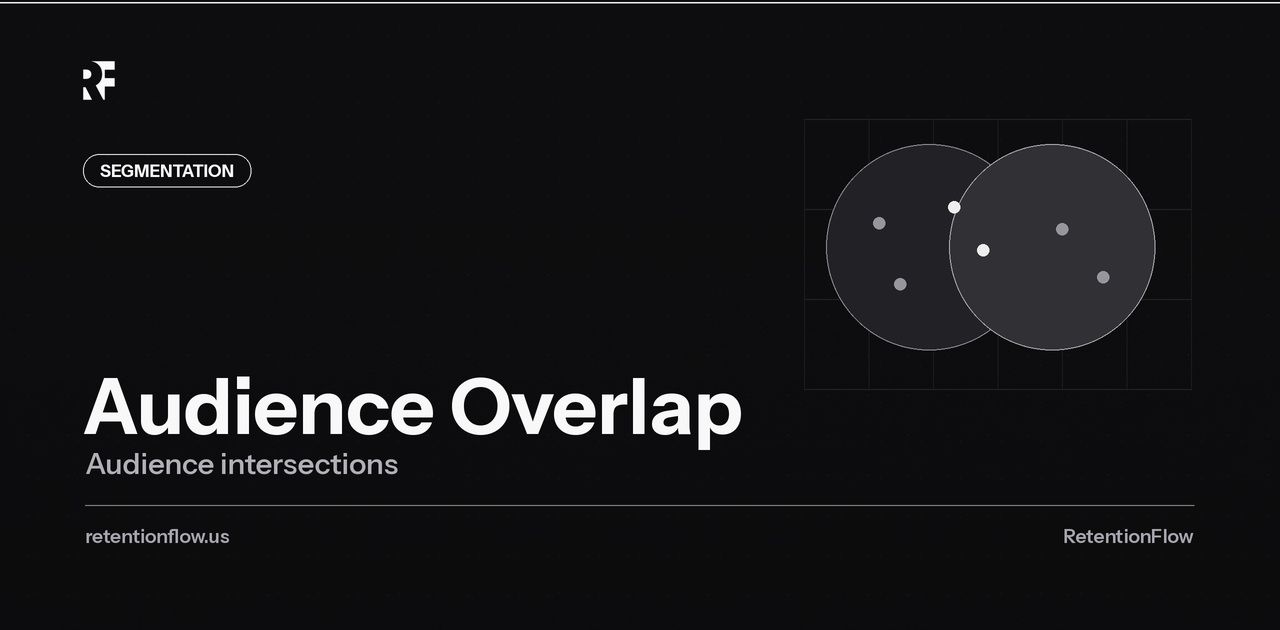
Audience overlap happens when the same customers belong to multiple customer groups.
In simple terms:
Audience overlap shows where different customer segments share the same people.
Example:
A Shopify store has:
- 20,000 email subscribers
- 8,000 repeat buyers
- 5,000 loyalty members
Some customers appear in more than one group.
The overlap may reveal that:
- Email subscribers purchase more often
- Loyalty members have higher order values
- Repeat buyers respond better to campaigns
This information helps brands understand customer behavior.
Why Audience Overlap Matters for Customer Retention
Customer retention depends on understanding why customers return.
Audience overlap helps merchants discover valuable patterns.
It helps answer questions like:
- Which customers are most loyal?
- Which groups create the most revenue?
- Which behaviors lead to repeat purchases?
- Which customers need different messaging?
For DTC brands, this matters because not every customer has the same value.
A customer who buys once is different from a customer who buys monthly.
How Audience Overlap Analysis Works
Audience overlap analysis follows a simple process.
Step 1: Create Customer Audiences
First, brands create customer groups.
Common ecommerce audiences include:
| Audience | Example |
|---|---|
| New Customers | First-time buyers |
| Repeat Customers | Customers with multiple orders |
| VIP Customers | High-spending buyers |
| Subscribers | Recurring customers |
| Email Subscribers | Marketing contacts |
| Product Buyers | Customers who bought specific items |
These groups help brands organize customer behavior.
Step 2: Compare Audience Groups
Next, brands compare audiences.
Example:
A skincare brand analyzes:
- Email subscribers
- Repeat buyers
The brand finds:
| Audience | Customers |
|---|---|
| Email Subscribers | 20,000 |
| Repeat Buyers | 8,000 |
| Overlapping Customers | 5,000 |
This means many repeat buyers also engage with email.
The brand may increase investment in email retention campaigns.
Step 3: Analyze Customer Behavior
Audience size alone does not show value.
Brands should analyze:
- Customer lifetime value
- Repeat purchase rate
- Purchase frequency
- Average order value
- Retention rate
A smaller audience with higher value may matter more than a larger audience.
Step 4: Take Action
The goal of audience overlap analysis is better decisions.
Brands can use insights to improve:
- Email campaigns
- SMS campaigns
- Loyalty programs
- Product recommendations
- Customer journeys
Common Ecommerce Audience Overlap Examples
Email Subscribers and Repeat Buyers
This overlap shows whether email engagement connects with customer loyalty.
Example:
A brand discovers that customers who open emails regularly buy twice as often.
The brand can create:
- More educational emails
- Personalized product suggestions
- Customer loyalty campaigns
Loyalty Members and High-Value Customers
This overlap helps brands identify their best customers.
Example:
A customer is:
- A loyalty member
- A frequent buyer
- A high spender
This customer may deserve:
- Early product access
- Exclusive offers
- VIP support
Subscription Customers and Repeat Buyers
Subscription customers often create predictable revenue.
Audience overlap helps brands find customers who are likely to subscribe.
Example:
A supplement brand discovers frequent buyers often become subscribers.
The brand can create targeted subscription offers.
Product Buyers and Product Buyers
Brands can analyze which products customers buy together.
Example:
A beauty brand finds:
- Cleanser buyers often purchase moisturizer
- Serum buyers often purchase sunscreen
The brand can create:
- Product bundles
- Cross-sell campaigns
- Personalized recommendations
Audience Overlap vs Customer Segmentation
These concepts are related but different.
| Feature | Audience Overlap | Customer Segmentation |
|---|---|---|
| Main Focus | Shared customers between groups | Creating customer groups |
| Main Question | Which customers belong to multiple groups? | Who are our customers? |
| Example | VIP customers who also subscribe | Customers from Instagram ads |
| Goal | Find relationships | Personalize experiences |
Customer segmentation creates groups.
Audience overlap finds connections between those groups.
Audience Overlap vs Cohort Analysis
Both methods help brands understand customers.
However, they answer different questions.
| Feature | Audience Overlap | Cohort Analysis |
|---|---|---|
| Focus | Customer relationships between groups | Customer behavior over time |
| Example | Repeat buyers + loyalty members | January buyers |
| Goal | Find shared behavior | Measure retention trends |
A brand can use both together.
Example:
A merchant can analyze:
“Which January customer cohort became VIP members?”
How Shopify Brands Use Audience Overlap for Retention
Improve Customer Segmentation
Audience overlap helps brands create more useful segments.
Example:
Instead of targeting all customers, a brand can target:
- Repeat buyers
- High-value customers
- Engaged email subscribers
This creates more relevant communication.
Create Better Retention Campaigns
Different customers need different messages.
Examples:
New customers:
- Product education
- Welcome campaigns
Repeat customers:
- Loyalty rewards
- New product updates
VIP customers:
- Exclusive access
Audience overlap helps brands identify these groups.
Improve Product Recommendations
Customer overlap reveals buying patterns.
Example:
Customers who buy:
- Coffee subscription
- Coffee accessories
may receive recommendations for related products.
This can increase:
- Average order value
- Repeat purchases
Reduce Marketing Waste
Audience overlap helps brands avoid sending unnecessary campaigns.
Example:
A customer already subscribed to a product may not need a campaign encouraging them to subscribe.
Better targeting creates better customer experiences.
Metrics to Analyze With Audience Overlap
Audience overlap becomes more useful when combined with retention metrics.
| Metric | Purpose |
|---|---|
| Customer Lifetime Value | Measures customer value |
| Repeat Purchase Rate | Measures loyalty |
| Retention Rate | Measures customer staying power |
| Purchase Frequency | Measures buying habits |
| Average Order Value | Measures spending |
| Churn Rate | Measures customer loss |
These metrics show whether overlapping audiences create real business value.
Audience Overlap Example for a Shopify Store
A wellness brand analyzes three customer groups.
| Audience | Size |
|---|---|
| Email Subscribers | 25,000 |
| Repeat Customers | 10,000 |
| Loyalty Members | 6,000 |
The brand finds:
| Overlapping Group | Customers |
|---|---|
| Email + Repeat Customers | 7,000 |
| Loyalty + Repeat Customers | 5,000 |
| Email + Loyalty Members | 4,000 |
Insights:
- Email engagement connects strongly with repeat purchases
- Loyalty members are more likely to return
- Retention campaigns should focus on engaged customers
Common Audience Overlap Mistakes
Confusing Overlap With Performance
Two audiences sharing customers does not always mean one caused the other.
Overlap shows relationships, not direct reasons.
Creating Too Many Audiences
Too many segments create confusion.
Start with important groups:
- New customers
- Repeat customers
- VIP customers
- Subscribers
Ignoring Customer Value
A large audience is not always valuable.
A smaller group with higher LTV may deserve more attention.
Not Updating Audiences
Customer behavior changes.
Review segments regularly.
A customer who was inactive six months ago may become valuable later.
How to Build an Audience Overlap Strategy
Step 1: Define Your Goal
Start with a clear question.
Examples:
- How do we increase repeat purchases?
- Which customers have the highest value?
- Which segments overlap with loyal buyers?
Step 2: Create Important Audiences
Start with:
- First-time buyers
- Repeat buyers
- Subscribers
- Loyalty members
- VIP customers
Step 3: Measure Overlap
Find customers who appear in multiple groups.
Step 4: Analyze Customer Value
Review:
- LTV
- Retention rate
- Purchase frequency
- Revenue contribution
Step 5: Improve Customer Experience
Use insights to improve:
- Marketing messages
- Product recommendations
- Loyalty programs
- Retention campaigns
Frequently Asked Questions
What is audience overlap in ecommerce?
Audience overlap shows when customers belong to multiple customer groups or segments.
How does audience overlap improve customer retention?
It helps brands identify valuable customer behaviors and create more personalized retention campaigns.
What is the difference between audience overlap and segmentation?
Segmentation creates customer groups. Audience overlap shows relationships between those groups.
How do Shopify brands use audience overlap?
Shopify brands use audience overlap to improve targeting, personalization, product recommendations, and retention strategies.
What metrics should brands analyze with audience overlap?
Brands should analyze LTV, repeat purchase rate, retention rate, AOV, purchase frequency, and churn.
Final Thoughts
Audience overlap helps ecommerce brands understand that customers are not just separate lists.
A repeat buyer can also be a loyal customer, a subscriber, and a high-value shopper.
Finding these connections helps brands create smarter campaigns and better customer experiences.
When combined with retention metrics and cohort analysis, audience overlap becomes a powerful way to understand customer behavior and improve long-term growth.