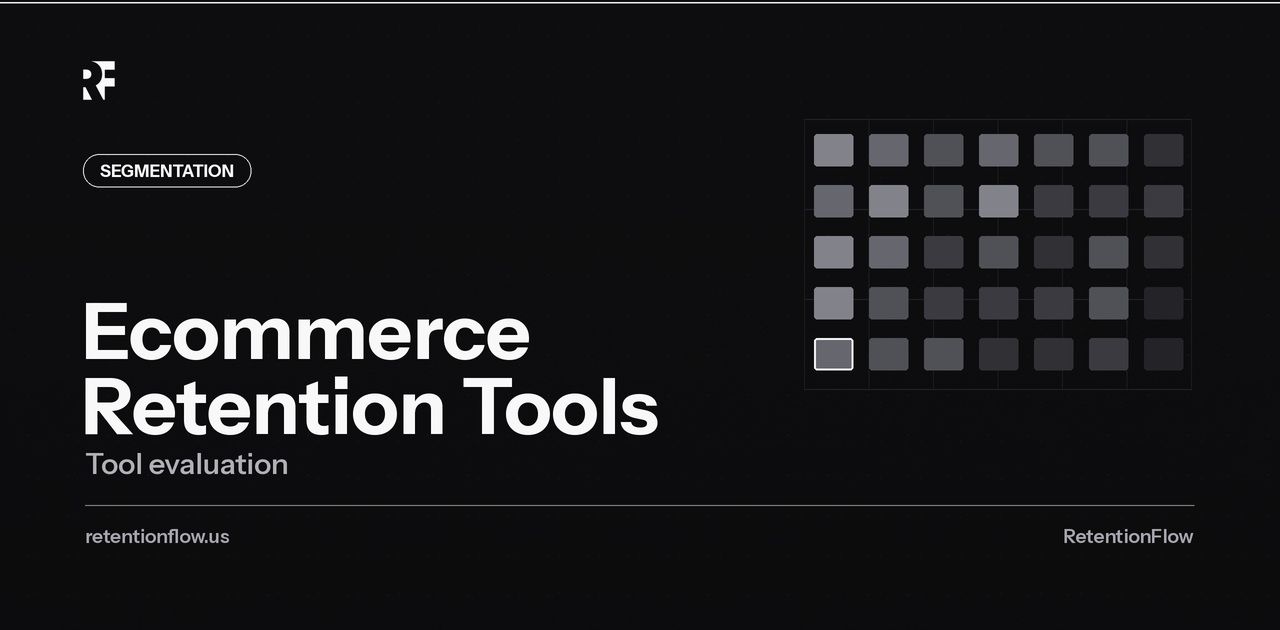
Ecommerce Retention Tools: How to Evaluate Segmentation
Growing an ecommerce brand is no longer only about finding new customers.
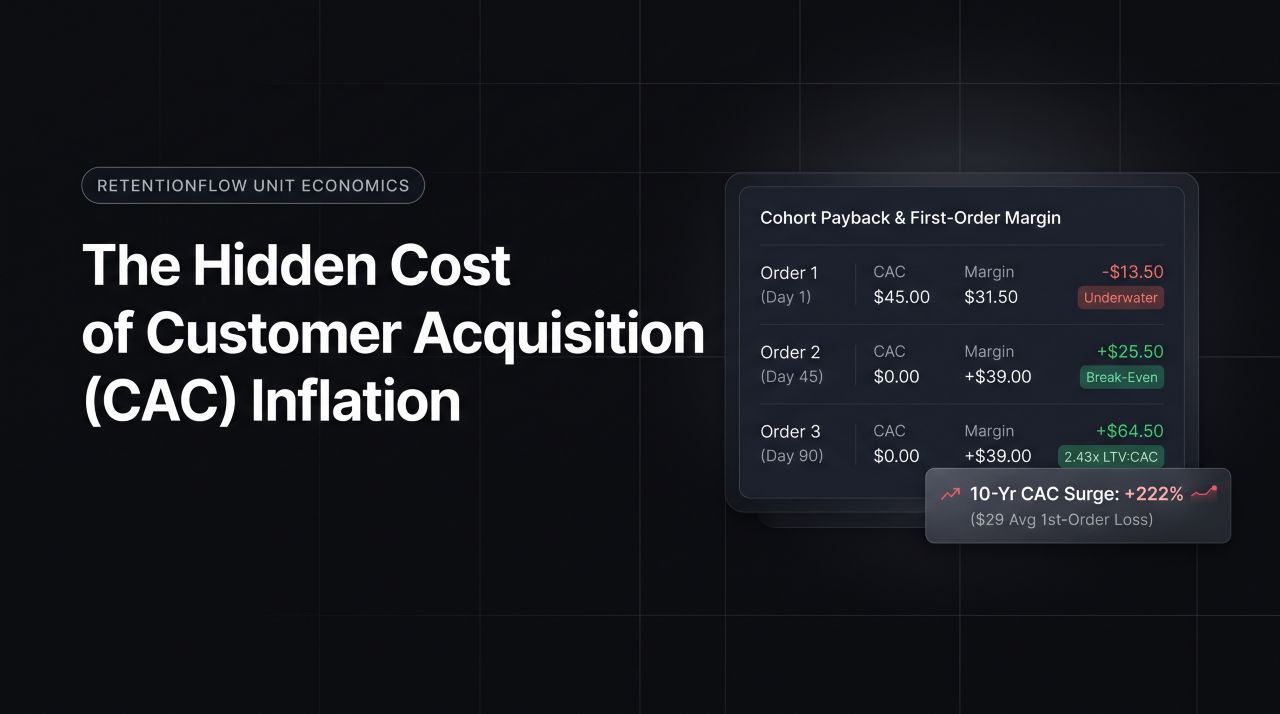
Customer acquisition costs continue to rise, and many brands struggle to turn first-time buyers into repeat customers.
Retention tools help brands solve this problem.
These tools collect customer data, create useful audiences, and help merchants send more relevant messages.
For Shopify and DTC brands, the goal is simple:
Understand customers better, create better experiences, and increase repeat purchases.
What Is an Ecommerce Customer Retention Tool?
An ecommerce customer retention tool is software that helps brands understand customer behavior and improve long-term customer relationships.
These tools help merchants:
- Analyze customer activity
- Create customer audiences
- Automate retention campaigns
- Track customer value
- Improve repeat purchases
A retention tool does not replace a retention strategy.
It gives brands the data and systems needed to execute that strategy.
What Are Ecommerce Audiences?
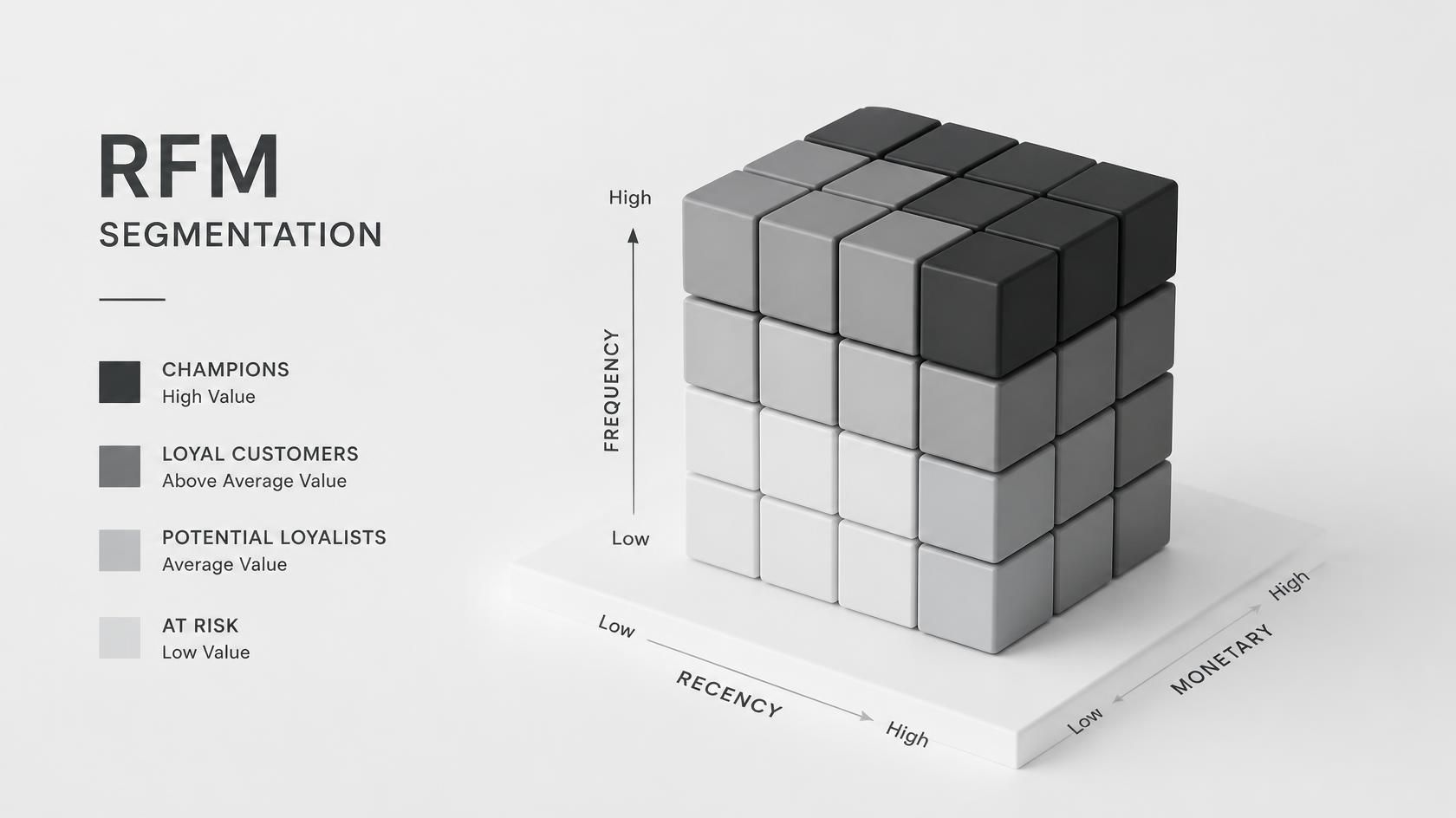
Ecommerce audiences are groups of customers created based on shared behaviors, actions, or characteristics.
Brands create audiences to understand different customer types.
Examples include:
| Audience | Description |
|---|---|
| First-time buyers | Customers with one purchase |
| Repeat buyers | Customers with multiple purchases |
| VIP customers | High-value customers |
| Inactive customers | Customers who stopped buying |
| Subscribers | Customers with recurring purchases |
Each audience has different needs.
A new customer needs education.
A loyal customer may need rewards.
An inactive customer may need a reason to return.
Why Audience Segmentation Matters for Customer Retention
Customer retention improves when brands send relevant messages.
A customer who bought a product yesterday should not receive the same message as someone who has not purchased in six months.
Audience segmentation helps brands create better customer experiences.
For example:
A supplement brand can create different campaigns for:
- New customers learning how to use the product
- Existing customers needing a refill
- Loyal customers receiving exclusive offers
This approach feels more personal and usually creates stronger engagement.
How Ecommerce Customer Retention Tools Work
Most retention tools follow a simple process.
Step 1: Collect Customer Data
Retention tools collect information from different customer touchpoints.
Common sources include:
- Purchase history
- Website behavior
- Email engagement
- Subscription activity
- Loyalty activity
This data helps brands understand customer behavior.
Step 2: Create Customer Audiences
The tool groups customers based on specific rules.
Examples:
“Customers who purchased more than three times.”
“Customers who have not purchased in 90 days.”
“Customers who bought skincare products.”
These groups help brands create targeted campaigns.
Step 3: Activate Audiences
Brands use audiences across marketing channels.
Common channels include:
- SMS
- Advertising platforms
- Loyalty programs
Example:
A fashion brand creates an audience of customers who bought jackets.
The brand can send these customers:
- New jacket arrivals
- Matching accessories
- Seasonal offers
Step 4: Measure Results
Brands track whether campaigns improve customer behavior.
Important metrics include:
- Repeat purchase rate
- Retention rate
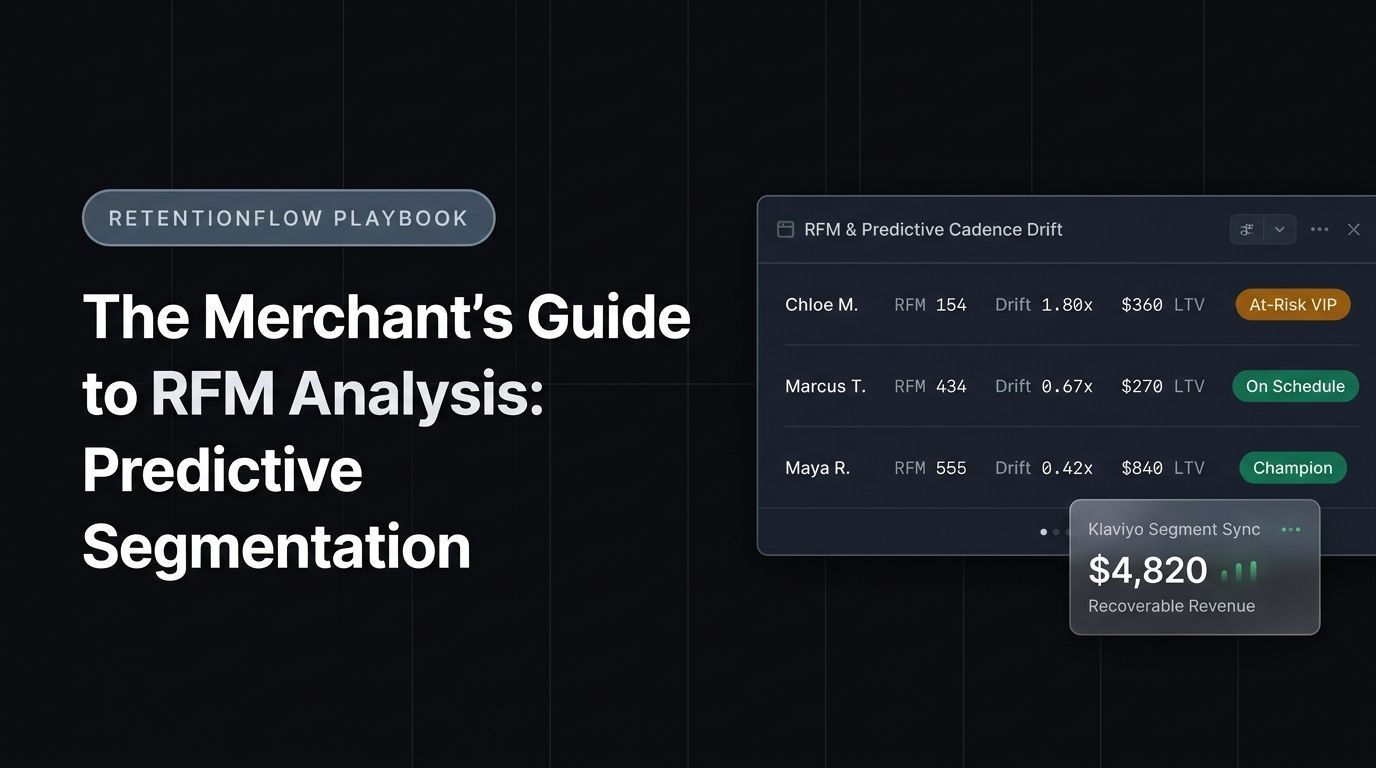
- Customer lifetime value
- Churn rate
- Revenue per customer
Types of Ecommerce Audiences Brands Should Create
First-Time Customer Audience
This audience includes customers who placed their first order.
The goal is to increase the chance of a second purchase.
Brands can use:
- Welcome emails
- Product education
- Customer support messages
The first purchase is important, but the second purchase often shows stronger customer intent.
Repeat Customer Audience
This group includes customers who have purchased more than once.
These customers already trust the brand.
Brands can improve retention with:
- Loyalty rewards
- Early access offers
- Product recommendations
VIP Customer Audience
VIP customers create a large share of revenue for many brands.
These customers often have:
- Higher spending
- More frequent purchases
- Stronger brand loyalty
Brands can create special experiences through:
- Exclusive products
- Private sales
- Premium support
Inactive Customer Audience
Inactive customers are customers who have stopped buying.
The goal is to win them back.
Brands can use:
- Reorder reminders
- Special offers
- Customer feedback surveys
However, discounts should not be the only retention strategy.
Subscription Customer Audience
Subscription customers create recurring revenue.
Brands should track:
- Subscription renewals
- Cancellations
- Customer satisfaction
A strong subscription experience can improve long-term retention.
Key Features to Look for in a Retention Tool
Choosing the right tool depends on business needs.
Important features include:
| Feature | Why It Matters |
|---|---|
| Customer segmentation | Creates useful audiences |
| Behavioral tracking | Shows customer actions |
| Cohort analysis | Tracks customer groups over time |
| Automation | Runs campaigns automatically |
| Analytics | Measures performance |
| Integrations | Connects marketing systems |
Customer Segmentation
Segmentation is the foundation of retention marketing.
A good tool should allow brands to create groups based on:
- Purchase history
- Spending behavior
- Product interest
- Customer activity
Better segmentation creates better targeting.
Behavioral Tracking
Customer actions reveal buying intent.
Examples:
- Viewed products
- Added items to cart
- Purchased repeatedly
- Opened emails
This helps brands understand where customers are in their journey.
Cohort Analysis
Cohort analysis helps brands study customer groups over time.
Examples:
- January customers
- Holiday shoppers
- Subscription customers
It helps answer:
- Which customers stay longer?
- Which campaigns attract valuable buyers?
- Which products create loyalty?
Automation
Automation helps brands communicate at the right time.
Examples:
- Welcome flows
- Reorder reminders
- Win-back campaigns
- Loyalty messages
Automation saves time while improving customer experiences.
How Shopify Brands Use Retention Tools
Increase Repeat Purchases
Retention tools help brands identify customers who are likely to buy again.
Examples:
- Replenishment reminders
- Product recommendations
- Personalized offers
Improve Customer Loyalty
Brands can identify valuable customers and create stronger relationships.
Examples:
- VIP programs
- Loyalty rewards
- Exclusive launches
Reduce Customer Churn
Retention tools help identify customers who are becoming inactive.
Brands can create campaigns before customers leave completely.
Improve Customer Lifetime Value
When brands understand customer behavior, they can increase:
- Purchase frequency
- Average order value
- Customer lifespan
Ecommerce Retention Tool Example
A beauty brand creates four customer audiences.
| Audience | Size | Campaign |
|---|---|---|
| First-time buyers | 15,000 | Product education |
| Repeat buyers | 5,000 | Loyalty rewards |
| VIP customers | 1,000 | Exclusive offers |
| Inactive customers | 8,000 | Win-back campaign |
Each audience receives a different customer experience.
This approach is more effective than sending the same message to everyone.
Retention Tool vs Basic Customer Segmentation
| Feature | Basic Segmentation | Retention Tool |
|---|---|---|
| Customer groups | Yes | Yes |
| Automation | Limited | Advanced |
| Behavioral tracking | Basic | Strong |
| Campaign execution | Manual | Automated |
| Performance tracking | Limited | Detailed |
Basic segmentation helps organize customers.
Retention tools help brands act on that information.
Metrics to Track With Retention Tools
Retention tools become valuable when connected with business results.
| Metric | Purpose |
|---|---|
| Customer Retention Rate | Measures customer loyalty |
| Repeat Purchase Rate | Tracks returning customers |
| Customer Lifetime Value | Measures customer value |
| Churn Rate | Shows customer loss |
| Purchase Frequency | Shows buying habits |
| Average Order Value | Measures spending |
| Cohort Retention | Shows long-term customer behavior |
Common Mistakes When Using Retention Tools
Creating Too Many Audiences
More segments do not always create better results.
Start with important groups.
Sending Generic Messages
Customers expect relevant communication.
A VIP customer and a first-time buyer should not receive identical campaigns.
Ignoring Data Quality
Poor customer data creates poor targeting.
Brands should regularly review:
- Customer records
- Segments
- Tracking setup
Focusing Only on Tools
A retention tool is not a growth strategy by itself.
Brands still need:
- Good products
- Strong customer experiences
- Useful communication
How to Choose the Right Ecommerce Retention Tool
Consider Your Business Size
Small brands may need simple segmentation.
Growing brands may need:
- Advanced analytics
- Automation
- Customer insights
Define Your Main Goal
Choose tools based on what you want to improve.
Examples:
Need more repeat purchases?
Look for:
- Email automation
- Customer segmentation
Need better insights?
Look for:
- Analytics
- Cohort reporting
Check Integrations
The tool should work with your existing systems.
Common integrations include:
- Shopify
- Email platforms
- Customer support tools
- Analytics platforms
Measure Business Impact
The best tool should improve important outcomes.
Track:
- Higher retention
- More repeat purchases
- Better LTV
- Lower churn
Frequently Asked Questions
What is an ecommerce customer retention tool?
An ecommerce customer retention tool helps brands analyze customer behavior, create audiences, and improve repeat purchases.
Why are audiences important for ecommerce retention?
Audiences help brands group customers by behavior and create more personalized marketing campaigns.
What customer audiences should ecommerce brands create?
Important audiences include first-time buyers, repeat customers, VIP customers, inactive customers, and subscribers.
Are retention tools useful for Shopify stores?
Yes. Shopify brands use retention tools to understand customers, improve campaigns, and increase long-term value.
What metrics should retention tools track?
Important metrics include retention rate, repeat purchase rate, LTV, churn rate, and cohort retention.
Final Thoughts
Ecommerce customer retention tools help brands move from mass marketing to customer-focused growth.
Instead of treating every customer the same, brands can create audiences based on real customer behavior.
The most successful DTC brands use these tools to understand customers, improve experiences, and build stronger relationships.
Retention tools do not just help brands keep customers.
They help brands understand why customers stay.